


All Articles
Showing 2,401 - 2415 of 2,646 results

Celebrating Diwali Traditions
Diwali is a Hindu festival that occurs every year in autumn during the month of Kartik - which to us Westerners corresponds to mid-October to mid-November.

Humanity’s Fascinating Relationship with the Winter Solstice
This year’s winter solstice will take place on December 21, marking the shortest day of the year in the Northern Hemisphere, and the arrival of winter.
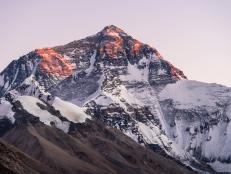
The First All-Black Team Will Climb Mount Everest Next Year
By scaling the 29,032-foot-peak, Full Circle Everest hopes to empower people of color to explore the outdoors.
Celebrating Black Explorers with J.R. Harris
Meet J. Robert Harris, a marketing consultant and social scientist by profession and a true explorer by heart. He's been exploring remote parts of the world for 50 years. Using personal anecdotes and archival images, J.R. draws from his own expedition experience and spotlights the struggles and triumphs of Black explorers throughout history and those who forge ahead today.
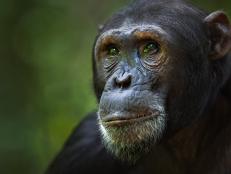
Collateral Damage: Assessing the Impact of Coronavirus on Wildlife Populations
From the pages of The Explorers Journal, Michael J. Manyak, M.D., FACS, underscores the importance of understanding how COVID-19 can affect certain wildlife populations, including the most vulnerable ones.
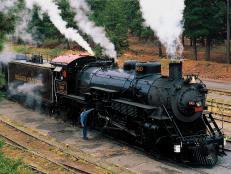
America’s Most Iconic Trains are Back in Action — Here’s What You Need to Know
Two of America’s oldest and most fabled trains are pulling out of the station again this summer after a long pandemic hiatus. The iconic and picture-postcard locomotives are the perfect place to start a summer adventure, and offer a refreshing alternative to road trips. Here’s everything you need to know about them.Please review and follow all state and local guidelines while traveling.
Breaking New Ground with Paleontologist from Mongolia
Meet Bolortsetseg (Bolor) Minjin, a Mongolian paleontologist and Explorers Club Fellow who played a pivotal role in stopping the sale of a fossil skeleton of the dinosaur Tyrannosaurus bataar, illegally collected from Mongolia. Bolor has also helped coordinate the return of over 30 other stolen dinosaurs to Mongolia.
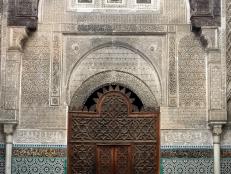
You Can Visit The World's Oldest Library in Fez, Morocco
Check out rare books at the world's oldest continually operating library.

The World's Longest Pedestrian Suspension Bridge Is a Terrifying Path Through a Swiss Valley
Learn about the world's longest pedestrian bridge at Discovery.com

Who Conquers the World? GIRLS!
Check out some of the female explorers of the world who have broken records and made history!
Female Firsts: Meet Anna Roosevelt
During Women's History Month, we're celebrating the achievements of women throughout history and spanning the globe. From the pages of The Explorers Journal, we're spotlighting four women who broke boundaries in exploration, research, and science. Let's dig into the past with Anna Roosevelt.

Zen and the Art of Shark Diving
Go swimming with the sharks. From the pages of The Explorers Journal, learn how photographer Amos Nachoum finds zen to capture the ultimate apex predator on camera.

You Can Hike to a 1950s Plane Wreck in Alaska's Talkeetna Mountains
A US Airforce bomber crashed in the mountains of Alaska during a training mission. Today, adventurous hikers can make the climb to bomber glacier to see what remains of the fuselage.
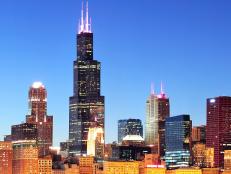
This World-Famous Chicago Skyscraper Can Sway Up to 3 Feet in the Wind
Constructing this tower was a major feat of engineering.
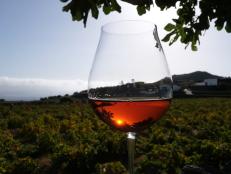
The Wine from Greek Myth is Making a Comeback
According to legend, desperate Tanit wanted to attract Apollo, one the most admired and respected gods. Following the advice of Venus, the Goddess of Love, Tanit served Apollo a glass of wine made from the vines of Pantelleria. The rest is history…. or myth!