




Getty Images
Your Ears And Nose Get Bigger In Old Age (But Not Because They're Growing)
By:
Mel Kassel
Your ears and nose are getting longer every year.
August 01, 2019
Why does it seem like a person's ears and nose continue to grow until old age? Height doesn't change after puberty (well, if anything we get shorter as we age) but ears and noses are always lengthening. That's due to gravity, not actual growth.
As you age, gravity causes the cartilage in your ears and nose to break down and sag. This results in droopier, longer features. Studies have estimated that ears lengthen at a rate of about .22 millimeters per year. The growth appears in men and women, so it's just one of the many universal joys of getting older.
This article first appeared on Curiosity.com.
Next Up

23,000-Year-Old Human Footprints Discovered in America
Ancient human footprints found in New Mexico suggest people may have arrived in the Americas 10,000 years before scientists had previously thought.

244 Million-Year-Old Fossils Discovered in China
These are the oldest fossils of the extinct bony fish, Peltoperleidus, ever to be found, and the first time Peltoperleidus fossils have been found outside of Europe.

Ice Age Cave Lion Cubs Found Perfectly Preserved Deep in Siberian Arctic
In Discovery’s BEASTS OF THE ICE AGE documentary, scientists uncovered new discoveries of frozen mammoths, cave lions, and other prehistoric animals in a mysterious Siberian cave. Today, experts share more on their findings since the first discovery of the frozen lion cubs in 2017 and 2018.
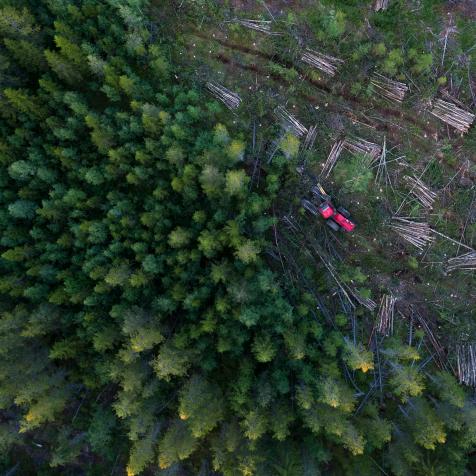
Could Growing Wood be Quicker and Greener Than Cutting Down Forests?
Wood is one of mankind’s most precious resources, but deforestation from logging and agricultural clearance has caused real harm to the environment.

Dolphin Doctors Appointments: The Future of 3D Scanning Marine Mammals
Drones, satellite tracking, and underwater acoustic devices have made a huge difference in understanding more about the lives of whales and dolphins. Now researchers are turning to 3D laser scanning to get more accurate data about their size, shape, and general health.

A 400-Year-Old Coral Offers Hope for the Great Barrier Reef
An incredibly resilient species of coral has weathered hundreds of years of coral bleaching and survived. What can this teach scientists about conservation?

Biophilic Design is a Natural Recipe for Better Buildings and Healthier People
Large towns and cities are not always designed with green space and natural biodiversity in mind. But using biophilic design in outdoor and interior spaces means people can get more of the health and wellbeing benefits of interacting with nature right on their doorstep.

Wildfire Challenge: Growing Investment in Firefighting Technology
Tackling rapid and destructive wildfires before they can spread over wide areas is one of the most pressing challenges for firefighters today.

You Don't Get Tetanus From Rust
Rusty nails won't give you tetanus, but find out what does.


Why Is Chickenpox So Much Worse for Adults Than for Kids?
This childhood disease is harder to fight the older you get.