Mount Kilimanjaro, Kilimanjaro National Park (UNESCO World Heritage Site, 1987), Tanzania. (Photo by DeAgostini/Getty Images)

Mount Kilimanjaro, Kilimanjaro National Park

Mount Kilimanjaro, Kilimanjaro National Park (UNESCO World Heritage Site, 1987), Tanzania. (Photo by DeAgostini/Getty Images)

Photo by: Photo by DeAgostini/Getty Images

Photo by DeAgostini/Getty Images

Tanzania: Beyond the Wildlife

By: Janet Lee

Most people know that Tanzania is home of the Serengeti and an amazing diversity of wildlife. The country is made up of 430 species of wildlife and 17 national parks. But did you know that it’s where 51 million people call home as well?

September 06, 2019
Tanzania - Home of the Serengeti
Loading Video...

Here are 6 not-so-known facts about Tanzania that go beyond its natural reserves.

1. Tanzania is home to 51 million people from 125 ethnic groups.

Tanzania’s official languages are Swahili and English, but according to Ethnologue, 127 languages are spoken across the country - 60 are in active use, and 20 are in development. Ethnic languages are of Bantu and Nilotic origins.

2. Tanzania was found by the unification of two East African countries.

The United Republic of Tanzania was established by the union of two former British colonies Tanganyika and Zanzibar. The 1964 agreement was signed by the first Tanganyika President Mwalimu Julius Kambarage Nyerere and the first Zanzibar President Sheikh Abeid Amani Karume.

3. The name Serengeti derives from the Maasai word siringet.

The Maasai, one of 162 tribes residing in Tanzania, referred to the open lands of the Serengeti as siringet meaning “the place where the land runs on forever.”

4. Dar es Salaam is the largest Swahili-speaking city in the world.

Tanzania’s former capital Dar es Salaam is the nation’s most populous city with 4.4 million people. Located off of the Swahili Coast, this city not only has the busiest port but also attracts tourists visiting the Indian Ocean islands.

5. Tanzania shares its national anthem with other African countries.

“Mungu Ibariki Afrika” is the national anthem of Tanzania, South Africa and Zimbabwe. The title in Swahili translates to God bless Africa.

6. The tallest mountain in Africa sits in Tanzania.

Tanzania is also the home of Mount Kilimanjaro. This dormant volcano, sitting 5,895 meters above sea level, sees more than 30,000 hikers each year, who spend between five to nine days to reach the summit.
Next Up

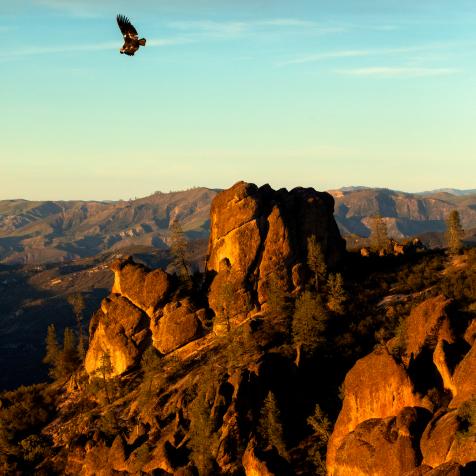
Caves to Condors: Uncovering Pinnacles National Park

Photographer and conservationist Ian Shive explores one of the lesser known National Parks, Pinnacles National Park, finding rare wildlife and extraordinary landscapes along the way.

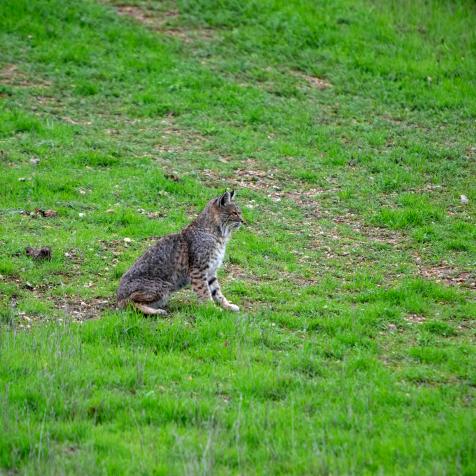
Bobcat on the Hunt

Nature photographer Ian Shive gets a rare close-up of a bobcat hunting ground squirrels in California's Central Coast.

Explore the World and Beyond Sans Travel

With one click you can go from being under the sea to outerspace! Take a look below for a list of amazing places you can experience virtual wonder.

The Grand Tsingy in Madagascar Is a Deadly Forest of Limestone Needles

The African country of Madagascar boasts plenty of wildlife, but it also features the world's largest stone forest. Some of the limestone peaks reach as high as 2,600 feet, and the nature reserve is home to several unique endangered plants and animals including lemurs.

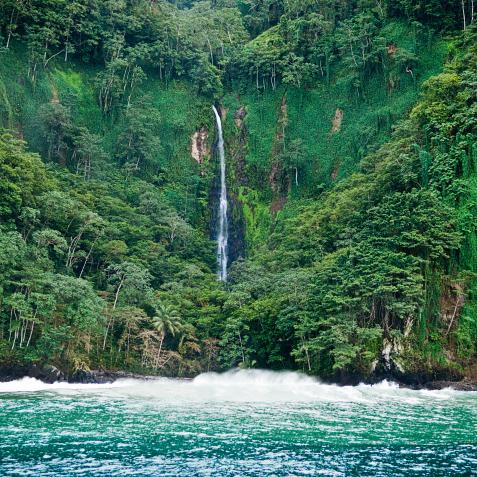
Costa Rica's Protected 'Shark Island' Will Save Thousands of Species

Costa Rica began the year with a fresh green start after its president announced new protections for the country’s unique biodiversity and wildlife species, expanding a national park by 27 times its size.

Collateral Damage: Assessing the Impact of Coronavirus on Wildlife Populations

From the pages of The Explorers Journal, Michael J. Manyak, M.D., FACS, underscores the importance of understanding how COVID-19 can affect certain wildlife populations, including the most vulnerable ones.

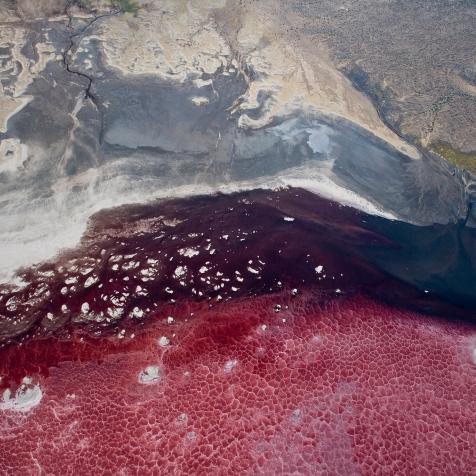
This Tanzanian Lake is a Vision in Red- And You Can Visit

This picturesque lake in northern Tanzania is harsh enough to burn anything that touches it. Unless, of course, you're one of the select few species adapted to thrive in it.

Related To: