GettyImages/Posnov
A Life-Changing Voyage to Antarctica
Take a trip to explore Antarctica. It's not just a physical experience but a spiritual adventure that you won't forget.
A cruise to Antarctica is a life-changing experience, compounded by exploration on zodiac boats, diving into the icy water, and trekking on land to visit penguin colonies. But it’s not just the physical experience that has people braving the infamous Drake’s Passage crossing. It’s the spiritual, humbling connection with nature that makes traveling to the end of the earth worthwhile.
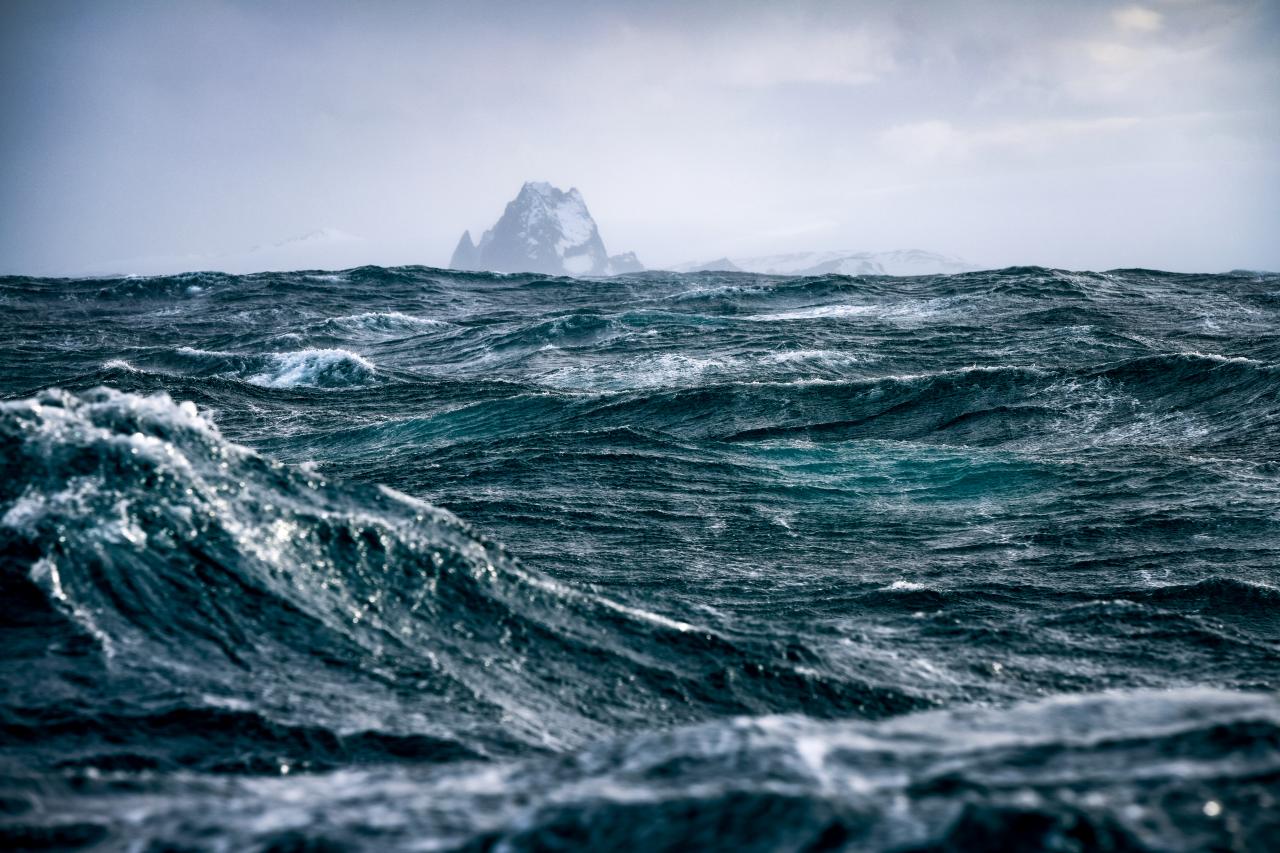
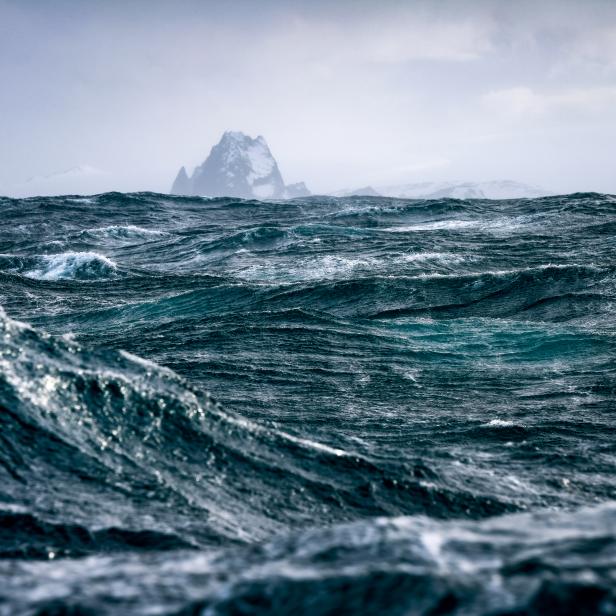
Most ships set sail from Ushuaia, in Argentina, and take almost two days to reach West Antarctica. Crossing Drake’s Passage, the body of water between Cape Horn and the South Shetland Islands, is known by explorers as one of the roughest, toughest seas in the world to cross.
GettyImages/Momentaryawe.com
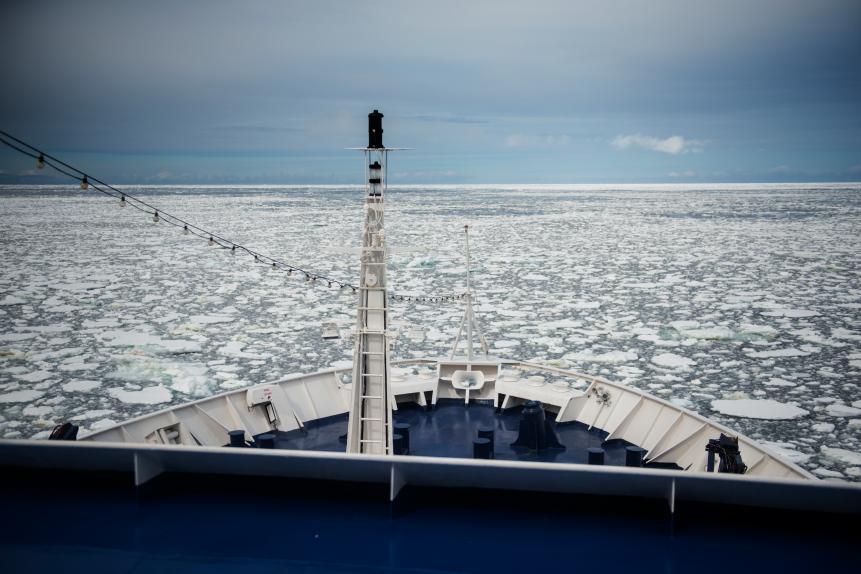
While the ship is swaying side to side and the horizon completely disappears from view, it’s easy to forget your destination and curse the moment you ever set foot on a boat. But once you’ve survived the crossing, you’re rewarded by the world’s final frozen frontier. Almost completely untouched by humans, apart from a few research stations, Antarctica is pristine, serene and a reminder of what the earth once looked like before humans walked it.
Most trips will include stop offs at the South Shetland Islands, where you’ll be able to explore the continent on foot. Brace yourself for breathtaking beauty as you cross the still, glassy water on zodiac, zipping towards penguin colonies and past seals sunning themselves on icebergs.
If you’re lucky, you’ll experience the spine-tingling moment you watch as a humpback whale passes underneath your tiny zodiac boat and comes up for air the other side. It’s a moment of having to completely surrender to something far greater than yourself, and a humbling recognition of the majesty of wildlife such as whales.
Hike to the summit on Danco Island, an island that’s just 1 mile long and known for its penguins. Scramble up snowy pathways to get to the top of the island and you’ll be rewarded with a 360 panoramic view that few people on earth can claim to have seen. Powdered snow packed onto clifftops that crumbles into the sea; penguins skidding across ice and plopping into the water; seals heaving themselves onto shore with a loud harrumph; but most of all, the vast expanse of a world that people do not live in.
GettyImages/Michael Nolan
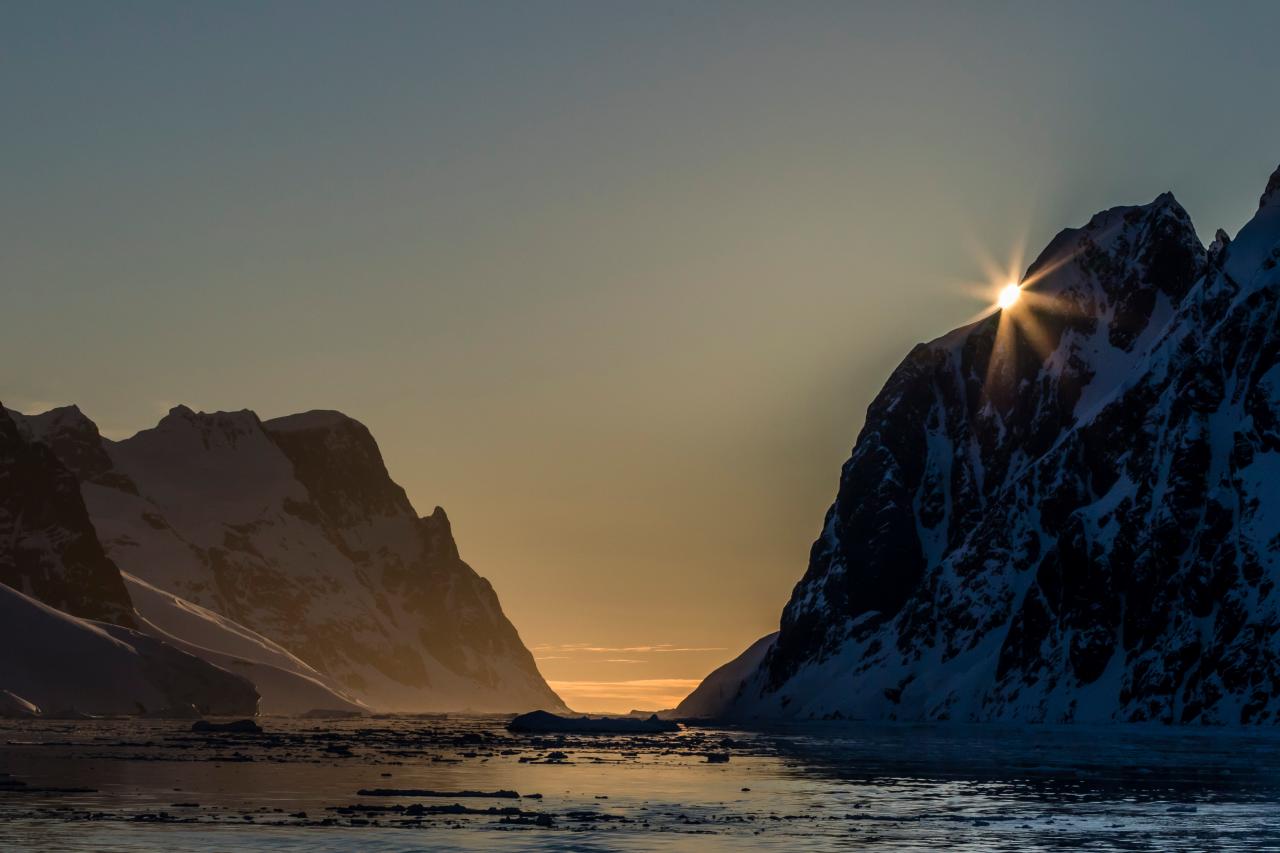
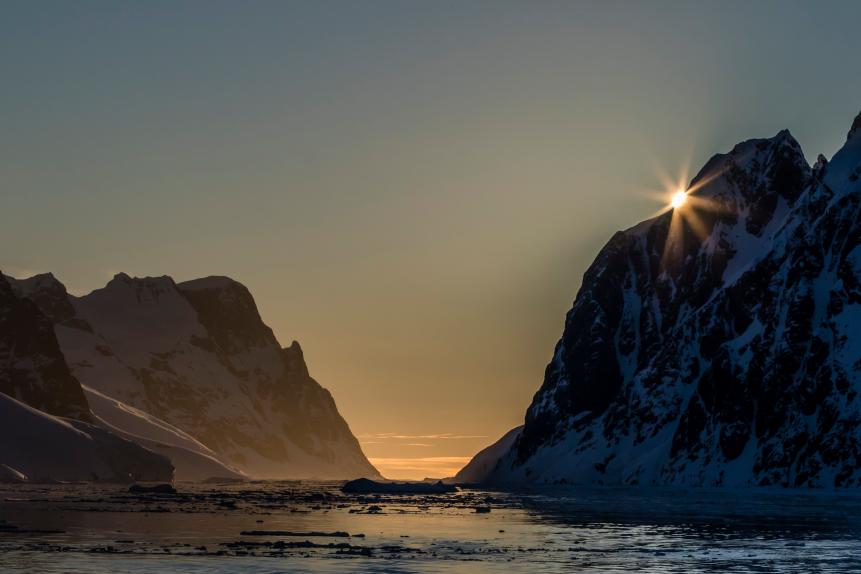
One of the most exhilarating moments is watching the sun set over the Lemaire Channel. Although the landscape is composed of blue sea, white ice and black cliffs, there’s an unimaginable plethora of colors: pinks, purples, greens and oranges fill the sky and cast a glow over the snow.
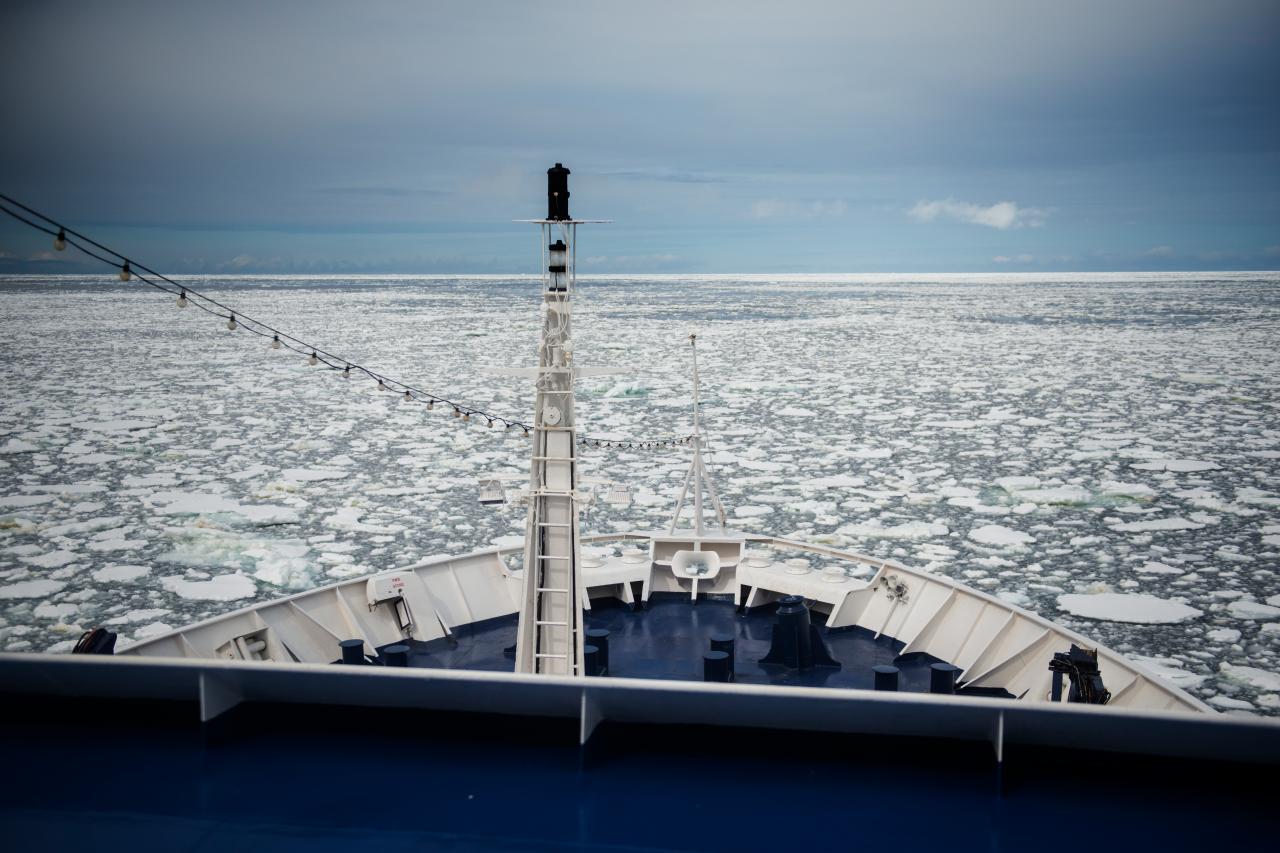
As you cruise past icebergs that loom menacingly overhead and anchor themselves many depths below sea level, you’re reminded of both the fragility of nature, and its ability to persevere through time. Visiting a place where few people have been is a reminder that humans do not own the planet, and that the planet will be around for long after humans have walked it.