Is Bolivia's "Death Road" Still the World's Most Dangerous Road?

By: Annie Hartman
September 01, 2019

Thrill seekers from all over the world are warned about this treacherous path. Known as one of the most adventurous and exhilarating activities in Bolivia, biking down the historically dangerous "Death Road" is the ultimate extreme sport. After 20 years of modernization, it's claimed to be safer these days. But how safe is it really?

Til "Death" Do You Part

North Yungas road is known as "Death Road" for all of the reasons you'd guess. Driving up or down this 43-mile (69-kilometer) switchback is extremely perilous due to fog, landslides, cascades, and cliffs that drop 2,000 feet (610 meters) at every turn. The road seldom gets any wider than 10 feet (3 meters), and many crosses stand as memorials to those who have perished there. Nearly 300 drivers were killed here every year until 1994. It's no wonder it got the nickname.

In the 1930s, Paraguayan prisoners cut the road during their violent battle with Brazil during the Chaco War. The road connects Bolivia's capital, La Paz, to the town of Coroico. From La Paz, Yungas road climbs to around 15,260 feet (4,650 meters) before moderately rising to 3,900 feet (1,190 meters). Surrounded by mountainous terrain, the road stretches far enough to connect the Amazon rainforest to the capital city. This means it was not uncommon for merchants to squeeze into trucks and buses to try to sell their wood and crops in town. However, the hairpin turns weren't big enough for every vehicle, and many trucks went down with people and their livelihoods.

Until 2006, North Yungas road was the only option for traveling from Coroico to La Paz. The road was no wider than one lane and was used by any vehicles willing to make the trip. Finally, in 2009, the government constructed a new road by a mountain range close by. The new highway has two lanes and has been well maintained. North Yungas itself now has two driving lanes, new pavement, drainage systems, and guardrails. Yet people continue to meet their ends here.

A Death Defying Cycle

Today, most of the deaths are from local workers and backpackers still using the infamous road. Tour operators also lead bike rides along the road, and it is believed that at more than a dozen cyclists have lost their lives here in the last decade.

So is it the world's most dangerous road? It certainly used to be, but it may have thankfully lost that title. It's a scenic drive, as long as you stay on the left side of the road and proceed with caution. If you're a thrill-seeking cyclist that wants to try this extreme sport, we don't recommend it — but we'll keep our fingers crossed that you're able to live to tell the tale.

This article first appeared on Curiosity.com.
Next Up

Women May Have Been Powerful Rulers of the Ancient World

A discovery in Spain has experts wondering whether women were once powerful rulers in ancient Europe.

Explore the Rugged, Remote Chaco Canyon in New Mexico

Photographer and conservationist Ian Shive photographs one of the most remote and rugged parts of the United States to take us on a journey to Chaco Canyon in New Mexico's Chaco Culture National Historical Park.

A Canadian Teen Once Discovered an Ancient Temple – Using Google Maps

Most teenagers while away hours playing video games, scrolling TikTok, or texting friends. Not William Gadoury, a 14-year-old from Saint-Jean-de-Matha, Quebec. Back in 2016, Gadoury was holed up in his bedroom, plotting ancient Mayan constellations against modern satellite images and coordinates.

Water Cremation Offers Eco-Alternative For Funerals

Funeral traditions around the world vary widely depending on cultural and religious practices, but they often use burial or cremation. Neither method is good for the environment, and green alternatives are gaining in popularity. Aquamation, or water cremation, is a low-carbon, less energy-intensive process that could replace both.

A Spanish Sunken Galleon Has a $17B Bounty Onboard - and Now You Can See It

Way back in 1708, when the War of Spanish Succession was waging across Europe and Latin America to decide who should be the next King of Spain, three Spanish galleons set sail from Panama. They were loaded to the brim with gold, silver, emeralds, and other jewels that had been extracted from the mines of Bolivia – and were vital in financing Spain’s costly war against its enemies.

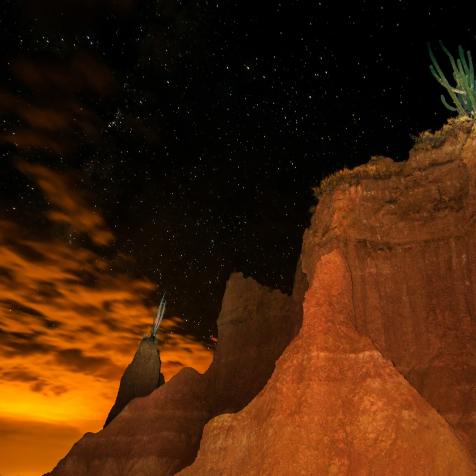
In this Mars-Like Landscape, You Can See Both Hemispheres At Once

There’s a rarely-visited, dusty corner of the world where something magical happens. The place, which looks like Mars with its red rock landscape, is the Tatacoa Desert, in Colombia.

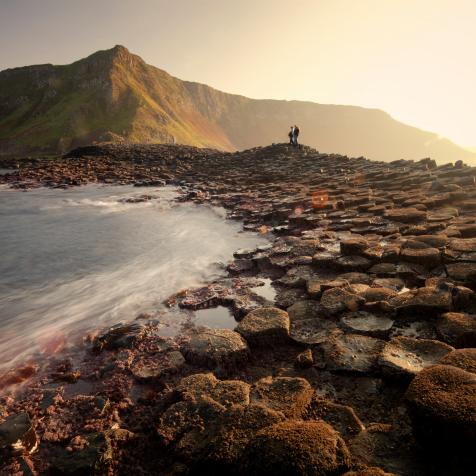
Giant’s Causeway: The Fascinating Legend Behind Ireland’s Most Famous Landmark

The Giant’s Causeway is known around the world for its beautiful interlocking basalt columns – over 40,000 of them in fact – which look out towards the stormy, gray North Channel.

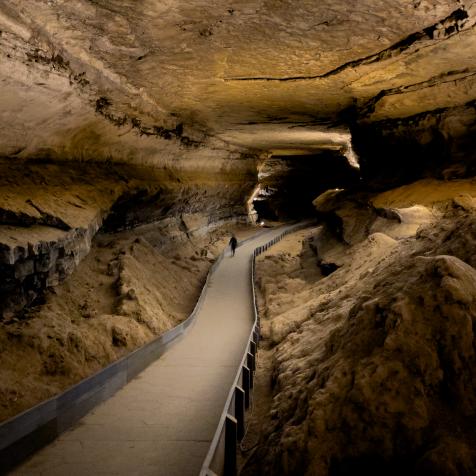
Exploring the World’s Longest Cave System

The world’s longest cave system is a gargantuan labyrinth of 420 miles of twists and turns and nooks and crannies, with limestone travertine stalactites dripping from the ceilings.

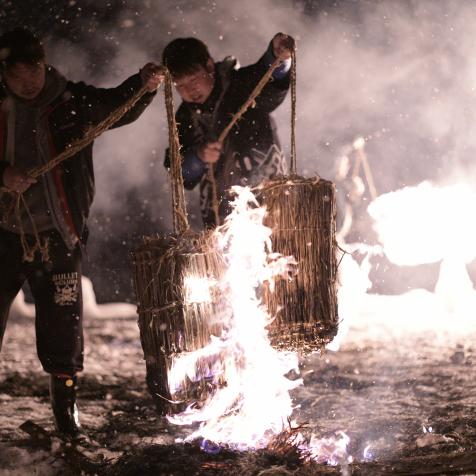
Fantastic Fire Festivals Around the World

Fire has been known for its powerful renewal energy for centuries and is used in both ancient and modern rituals and ceremonies.

Everything You Need to Know About Rio de Janeiro Carnival

Rio de Janeiro is a really big deal. Brazil’s most famous festival - or ‘The Greatest Show on Earth’ as its organizers call it, attracts millions of people from all over the world to dance, enjoy music and party for days.