


All Science Articles
Showing 316 - 330 of 341 results

DNA's Building Blocks May Have Their Origins in Outer Space
One of life's building blocks could have originated in outer space. But if this experiment shows how these building blocks actually formed, how exactly did they get to Earth?

Counting Fish: Making Sealife Sustainable for Future Generations
Do we really know how many fish there are in the sea? The short answer is no, but science is bringing us closer to understanding marine populations and maintaining them for future generations.

Climate Change: Too Hot for Humans to Handle?
California wildfire emergencies are the starkest sign yet that rising temperatures linked to climate change impact day-to-day living.

The Bacteria Library: One Hundred Years of Infectious Bugs
Britain’s most important bacterial library, the National Collection of Type Cultures (NCTC) turned 100 this year.

Can Blue Light Really Mess Up Your Sleep?
We are spending more time looking at screens than ever, and those screens emit blue light. What is "blue light" and what does it do to your sleep cycle?

Check Out the Crab Nebula –The Leftovers from a Giant Cosmic Firework
The Crab Nebula sits 6,500 light-years away, and is currently about 11 light-years across. But while it looks pretty from afar, don’t give in to the temptation to visit it up close.

Check out the Earth’s 800,000 Year Old Battle Wound
Scientists may have discovered the location of an ancient buried crater, a result of a meteorite that barreled into the Earth some 800,000 years ago.

10 of the Biggest Scientific Discoveries of 2017
Here are some of the biggest scientific breakthroughs of 2017 that might just change the world.

Biodegradable Plastic: Tackling Pollution with Plant-Based Bioplastics
We hear so much about plastic and how its inability to biodegrade affects the planet, but how can we change the world with a new type of plastic, bioplastic that is.

The Broomstick Challenge is Not What it Appears to Be
The Broomstick Challenge is clearly sweeping the nation, but don’t let it fool you. If you take a closer look behind the meaning of it, it’s not exactly based on real science.

Clean Air Tech and Pollution Reduction Post-COVID
One of the unintended positive consequences of the coronavirus pandemic is a reduction in air pollution.

Beware Of Azidoazide Azide, The World's Most Explosive Chemical
This super-sensitive explosive will explode in virtually any scenario.
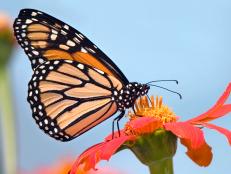
The Butterfly Effect Is Why It's Impossible to Predict the Weather
This is a concept invented by the American meteorologist.

Sunken Treasure: Ancient Underwater Forest May Be Source of Medicinal Bounty
A sunken underwater forest in US coastal waters is still positively teeming with life and may even hold the key to sustaining humanity.

Astronomers Once Watched a Star Turn Directly Into a Black Hole
Not all stars go out with a bang.