


All DNews Articles
Showing 511 - 525 of 605 results

Monkeys Steal COVID-19 Tests
During the pandemic, these primates in India have taken “Monkey Business” to a whole new level.

Murder Hornets Invade the US
For my next trick, says 2020, may I introduce you to… Murder Hornets! Spotted in the Pacific Northwest for the first time, these giant hornets put our ecosystem at risk.

New Study Reveals True Size of Megalodon
Scientists know great white sharks are living descendants of megalodon sharks, but what we didn’t know was the true scale of the prehistoric animal. That is, until now.

New High Seas Treaty is a Game-Changer for Oceans
Nations are coming together to negotiate the world’s first ever high seas conservation treaty, which is expected to be signed later this year.

Locust Swarms Plague India
With New Delhi, India on high alert after a nearby swarm of locusts, this terrifying natural phenomenon is enabled by ever-changing climate conditions and unique species behaviors.

The Battle to Save California Mountain Lions
California is considering protecting mountain lions in certain parts of the state through the Endangered Species Act – but not everyone is happy about it.
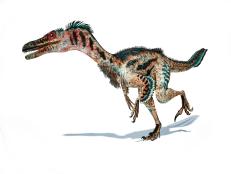
Baby Raptor Fossil Found in Alaska
Over 200 miles north of the Arctic Circle, paleontologists found baby velociraptor fossils with big implications.

10 Celebrities Who Are Making a Difference in Australia
With wildfires still blazing through NSW, Australia, celebrities have stepped in to donate what they can to help make a difference.

Bronx Zoo Tigers and Lions have Tested Positive for COVID-19
Nadia, as seen on Animal Planet’s THE ZOO, has tested positive for the novel coronavirus along with six other large cats—all are expected to recover, according to zoo officials.

Are Shark Attacks on the Rise? Not Really.
Maine had its first recorded deadly shark attack this week. We talk to experts about what is going on in the ocean and share some tips if you find yourselves in close contact with a shark.

Australia Bushfires: How to Help
Help Discovery support victims and animals affected by devastating bushfires.

An Underwater Adventure From the Comfort of Your Couch
The Georgia Aquarium is live streaming from some of their epic habitats!

Revised Climate Normals from NOAA Revealed
Facing the unusual: NOAA’s latest climate report warns of “longer-term warming,” something all humans should be concerned about.

Rediscovered in Ocean's Twilight Zone: the Short-Nosed Sea Snake
The short-nosed sea snake was recently rediscovered in the ocean’s twilight zone, 200 feet below the surface. Scientists are furthering their research with genetic testing.

COVID-19 Vaccine Development Threatens Shark Populations
Conservationists warn that half a million sharks could be killed and harvested to develop the global supply of COVID-19 vaccines. But what do sharks have to do with vaccines? One word: squalene.