


All Exploration Articles
Showing 91 - 105 of 170 results
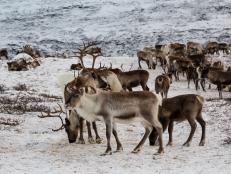
Visit Santa’s Hometown in Finnish Lapland
In the northernmost region of Finland, Lapland is the place to be to see a real winter wonderland... and Santa Claus!
This Ancient Underground City Was Big Enough to House 20,000 People
Derinkuyu is an ancient Turkish city that extends 250 feet underground and is large enough to house 20,000 people. Built as protection against invaders more than 2,100 years ago, the city had fresh water, stables, wineries and oil presses.
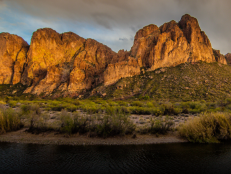
There May Be a Long-Lost Gold Mine in the Arizona Mountains
For more than a century, adventurous souls have sought the Lost Dutchman Mine, and since 1891, more than a hundred people have claimed to find it. But the mine remains shrouded in mystery, so much so that it might not exist at all.
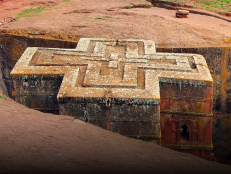
These 800-Year-Old Ethiopian Churches Are Each Carved From a Single Stone
The world is full of ancient stone monuments, but have you heard about the mind-blowing underground churches of Lalibela, Ethiopia?

The Black Drink, Ethnobotany, and a Lost Civilization in Florida
The yaupon holly, North America’s only native plant that contains caffeine, creates a powerful elixir known as the Black Drink.

The Grand Tsingy in Madagascar Is a Deadly Forest of Limestone Needles
The African country of Madagascar boasts plenty of wildlife, but it also features the world's largest stone forest. Some of the limestone peaks reach as high as 2,600 feet, and the nature reserve is home to several unique endangered plants and animals including lemurs.

These Mesmerizing Alaskan Ice Caves Will Very Soon Be Gone
In Juneau, Alaska, you can take a walk not just on, but in a glacier. That's right — inside the partially hollow Mendenhall Glacier is a surreal landscape of breathtakingly bright blue ice caves, accessible via hike, kayak, and a climb over the ice. You better get there soon, though, because this natural marvel is melting ... fast.
Tanzania: Beyond the Wildlife
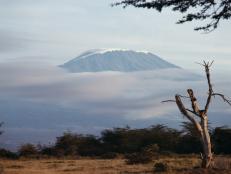
Most people know that Tanzania is home of the Serengeti and an amazing diversity of wildlife. The country is made up of 430 species of wildlife and 17 national parks. But did you know that it’s where 51 million people call home as well?

Surprises from Emiliano Ruprah’s Adventures in Ethiopia’s Omo Valley
Arbore, Dassenetch, Karo, Konso... These are some of the most fascinating tribes from the Omo Valley, Ethiopia.

This Mongolian Landmark Is Covered in 1,500 Years of Graffiti
In the middle of Mongolia sits a graffiti-covered monument known as Taikhar Chuluu. Surrounded by flat plains for miles, this giant rock really stands out, and a number of legends have arisen to explain its presence. One involves a wrestler and a giant snake, and another involves star-crossed lovers.
This Haunting Coastal Town Inspired Bram Stoker's "Dracula"
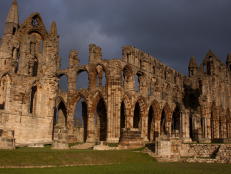
There's more to the coastal town of Whitby than meets the eye. Hidden in Whitby's cottages and cobblestone streets lie legends and tales that inspired the famous story of Dracula. This led to the largest and spookiest festival around. Goths, ghosts, vampires, and ruins: Whitby has them all.

Scaling Wales’ Highest Mountain
Britain isn’t famous for its hiking but one mountain every climber should summit is Mt. Snowdon for extreme weather and breathtaking views.

Retrace the Journeys of Pilgrims in Spain's Basque Country
Discovering shepherds' huts and Spanish vineyards in the Basque Country.

Massive Stone Jars in the Highlands of Laos Are Shrouded in Mystery
A grassy plain in the Laotian highlands are home to thousands of huge, ancient stone jars. Visit Discovery.com to learn about the mysterious details that have puzzled researchers for decades.

Pacific Northwest Road Trips
The Pacific Northwest is known for its open spaces, and its vast beauty is easily explored by car.