Helping the Los Angeles River Change Course

As a human trying to commute from Long Beach to Downtown Los Angeles to the hills of Pasadena, you probably already know that you’ll be making your way on infamous, traffic-clogged roads filled with obstacles to be avoided.
What you might not realize, is that alongside this route is a network of waterways connecting to the Los Angeles River, where an ancient migration of steelhead trout attempts to find its way from sea to summit and back again. Like our own commute, they face numerous obstacles that have cut this migration route off, separating the trout’s spawning grounds from the open sea.
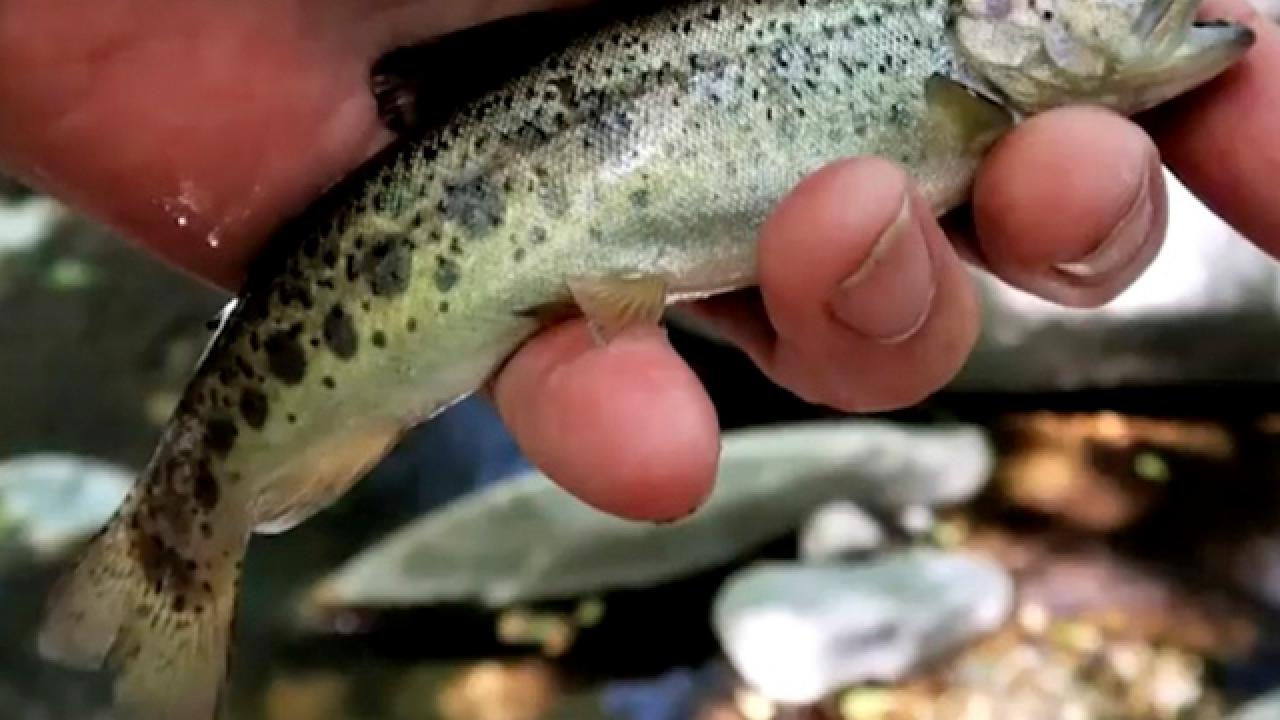
Steelhead Trout are part of the salmon family —spending their adult lives in the ocean and spawning inland in freshwater streams and rivers. In a hypothetical world without people, they would navigate their way back to the river they were born in multiple times, and attempt to get back to the cool, mountain pools they began their lives in. They would run a gauntlet of rocks, waterfalls, and hungry wildlife with the hope of reaching their terminus, spawning, and then returning to the sea multiple times, while the next-generation descends the river to start the cycle all over again.
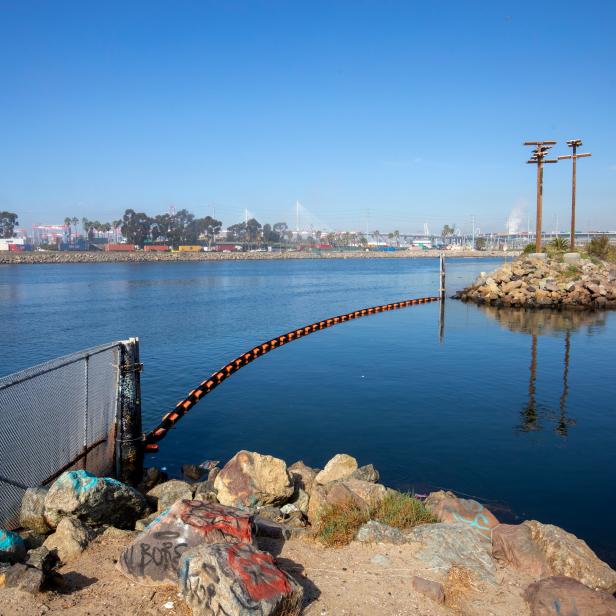
We don’t live in this hypothetical world. This already challenging but proven path for these trout has only been made more difficult, if not impossible, thanks to human sprawl and a lack of care for nature’s migrations. Almost immediately the trout migration encounters new, human-created challenges. A busy shipping lane in Long Beach, a fast-moving shallow river that meets the Pacific Ocean, and further upstream, slick concrete structures, open shallows with no place for fish to hide, and eventually a full blockade of concrete barriers and dams, choking the life of the river like a tourniquet. Today, the ancient migration is impossible. Fish in the ocean are cut off from their mountain home 40 miles above the place the Pacific meets the LA River, though, at the top of the run, an isolated population of small native rainbow trout persists in the last vestige of their ideal habitat, hiding under rocks in cool pools waiting for their day to be reunited with their salty brethren.
As a photographer who has not only called Los Angeles home for most of his life, the opportunity to document this historic route and the groundbreaking work of conservation groups is an incredible opportunity. Working with Stillwater Sciences Senior Manager Wendy Katagi and her coalition of partners, such as the Arroyo Seco Foundation, City of Los Angeles, California Department of Fish and Wildlife, and Council for Watershed Health, I was able to trace the route, making stops along the way to see what challenges these trout still face, and what restoration progress looks like. Even though the LA River may run through the heart of America’s second-largest city, it is still a vital artery for which wildlife and people depend. A healthy river for trout also means a healthy river for the millions of residents that depend on it.
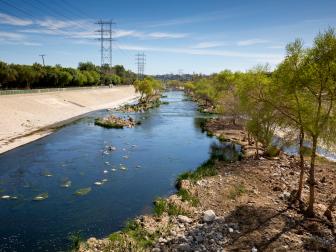
Can the Los Angeles River be Restored? 14 Photos
Conservationists hope a restored Los Angeles River could provide a safe path for migrating steelhead trout. Learn all about their efforts and the state of the LA river on the newest episode of Nature in Focus.
In this new episode of Nature in Focus, we explore the path of the river and its tributaries and witness the impenetrable obstacles that Stillwater Sciences and their partners are working to remove. Progress is being made and the transformation has begun…and with conservation partners and the public’s help, it’s only a matter of time before we all see the Steelhead Trout return to a fully connected river.