LLANDUDNO, WALES - MARCH 31: Mountain goats roam the streets of LLandudno on March 31, 2020 in Llandudno, Wales. The goats normally live on the rocky Great Orme but are occasional visitors to the seaside town, but a local councillor told the BBC that the herd was drawn this time by the lack of people and tourists due to the COVID-19 outbreak and quarantine measures. (Photo by Christopher Furlong/Getty Images)

1215930765

LLANDUDNO, WALES - MARCH 31: Mountain goats roam the streets of LLandudno on March 31, 2020 in Llandudno, Wales. The goats normally live on the rocky Great Orme but are occasional visitors to the seaside town, but a local councillor told the BBC that the herd was drawn this time by the lack of people and tourists due to the COVID-19 outbreak and quarantine measures. (Photo by Christopher Furlong/Getty Images)

Photo by: Christopher Furlong

Christopher Furlong

Wild Animals Explore City Streets Amid Pandemic

By: Leah Weber

In 2020 anything is possible, and the animals are taking back the streets.

April 15, 2020

You’ve heard the saying, “When the cat’s away, the mice will play.” Well, amid global lockdowns, it is not just the mice that are making their way out of the wilderness. The city streets of London, England and Santiago, Chile are used to seeing the phenomenon of puppies popping their heads out of handbags or strollers, but the images of deer, goats, and even a puma are more surprising.

The worldwide lockdown caused by the widespread outbreak of COVID-19 due to the novel Coronavirus has the world breathing fresher air and innovating beyond our wildest dreams, but to most wildlife it is business as usual—sort of.

A herd of fallow deer graze on the lawns in front of a housing estate in Harold Hill in east London on April 4, 2020, as nature takes advantage of life in Britain during the nationwide lockdown to combat the novel coronavirus pandemic. (Photo by Ben STANSALL / AFP) (Photo by BEN STANSALL/AFP via Getty Images)

1209110433

A herd of fallow deer graze on the lawns in front of a housing estate in Harold Hill in east London on April 4, 2020, as nature takes advantage of life in Britain during the nationwide lockdown to combat the novel coronavirus pandemic. (Photo by Ben STANSALL / AFP) (Photo by BEN STANSALL/AFP via Getty Images)

Photo by: BEN STANSALL

BEN STANSALL

In East London, deer are common in parks and adjacent woodlands, but usually these hooved creatures scare easily. If they see a human coming, they jet in the opposite direction. With everyone inside, a garden in Harold Hill made some friends.

A herd of fallow deer graze on the lawns in front of a housing estate in Harold Hill in east London on April 4, 2020, as nature takes advantage of life in Britain during the nationwide lockdown to combat the novel coronavirus pandemic. (Photo by Ben STANSALL / AFP) (Photo by BEN STANSALL/AFP via Getty Images)

1209110422

A herd of fallow deer graze on the lawns in front of a housing estate in Harold Hill in east London on April 4, 2020, as nature takes advantage of life in Britain during the nationwide lockdown to combat the novel coronavirus pandemic. (Photo by Ben STANSALL / AFP) (Photo by BEN STANSALL/AFP via Getty Images)

Photo by: BEN STANSALL

BEN STANSALL

Also in the UK, Llandudno, in Northern Wales, has seen an influx of goats from the nearby hills come down to hang out in the village among the shops and churches.

LLANDUDNO, WALES - MARCH 31: Mountain goats roam the streets of LLandudno on March 31, 2020 in Llandudno, Wales. The goats normally live on the rocky Great Orme but are occasional visitors to the seaside town, but a local councillor told the BBC that the herd was drawn this time by the lack of people and tourists due to the COVID-19 outbreak and quarantine measures. (Photo by Christopher Furlong/Getty Images)

1215930707

LLANDUDNO, WALES - MARCH 31: Mountain goats roam the streets of LLandudno on March 31, 2020 in Llandudno, Wales. The goats normally live on the rocky Great Orme but are occasional visitors to the seaside town, but a local councillor told the BBC that the herd was drawn this time by the lack of people and tourists due to the COVID-19 outbreak and quarantine measures. (Photo by Christopher Furlong/Getty Images)

Photo by: Christopher Furlong

Christopher Furlong

On the other side of the world, cities like Santiago, Chile have seen a few animals that are a little more predatory. Though still scared of people, Puma from the nearby mountains have taken a trip to the city streets to see what they can find to eat.

TOPSHOT - Picture released by Aton Chile showing an approximately one-year-old puma in the streets of Santiago on March 24, 2020 which according to the Agricultural and Livestock Service (SAG) came down from the nearby mountains in search for food as less people are seen in the streets due to the coronavirus, COVID-19, pandemic. (Photo by Andres PINA / ATON CHILE / AFP) / Chile OUT / RESTRICTED TO EDITORIAL USE (Photo by ANDRES PINA/ATON CHILE/AFP via Getty Images)

1208083254

TOPSHOT - Picture released by Aton Chile showing an approximately one-year-old puma in the streets of Santiago on March 24, 2020 which according to the Agricultural and Livestock Service (SAG) came down from the nearby mountains in search for food as less people are seen in the streets due to the coronavirus, COVID-19, pandemic. (Photo by Andres PINA / ATON CHILE / AFP) / Chile OUT / RESTRICTED TO EDITORIAL USE (Photo by ANDRES PINA/ATON CHILE/AFP via Getty Images)

Photo by: ANDRES PINA

ANDRES PINA

Similar to the UK, Nara Park in Japan is seeing deer overflowing into residential areas looking for food. Deer are a normal tourist attraction in this region—with people coming from all over to feed and take pictures with these kind creatures. Due to the lockdown, these deer are starving because of the lack of human interaction.

NARA, JAPAN - MARCH 12: Sika deer stand at an entrance to a restaurant on March 12, 2020 in Nara, Japan. Like a number of tourist hotspots around the country, Nara, a popular ancient city where free-roaming deer are an attraction for tourists, has seen a decline in visitor numbers in recent weeks amid concern over the spread of Coronavirus (COVID-19). Some groups of deer have begun roaming in the city's residential area due to shortage of food partially fed from tourists according to media reports. (Photo by Tomohiro Ohsumi/Getty Images)

1211974648

NARA, JAPAN - MARCH 12: Sika deer stand at an entrance to a restaurant on March 12, 2020 in Nara, Japan. Like a number of tourist hotspots around the country, Nara, a popular ancient city where free-roaming deer are an attraction for tourists, has seen a decline in visitor numbers in recent weeks amid concern over the spread of Coronavirus (COVID-19). Some groups of deer have begun roaming in the city's residential area due to shortage of food partially fed from tourists according to media reports. (Photo by Tomohiro Ohsumi/Getty Images)

Photo by: Tomohiro Ohsumi

Tomohiro Ohsumi

This is a genuine reminder that the animals were here first and that we must provide them with the same kindness we expect from them, even if they seem like they are a tad out of place at the moment.

Next Up

Caring for Endangered Species at Georgia Aquarium

Georgia Aquarium is proud to care for over ten different endangered species, from small poison dart frogs to the largest fish in the sea, whale sharks. Every day, these animals face natural threats as well as human impacts, and as their numbers decrease it affects our planet’s ecosystems.

Forest Projects Will Help Rebalance Earth’s Climate

Forests might be the best tool humanity has to tackle climate change. Trees give cooling shade, absorb and store carbon dioxide (CO2), recycle water, and provide habitat for other plants and animals. Huge international projects like the Trillion Trees initiative believe planting forests will ultimately help to rebalance Earth’s climate.

Galápagos Giant Tortoises Are Mysteriously Turning Up Dead in Ecuador

Despite the tough protections, there has been a spate of tortoises killed in recent months, and officials fear the animals have been slaughtered for their meat.

Lemurs Can Sing with Rhythm

Researchers found the first nonhuman animal that can keep a beat.

The Largest Living Thing on Earth Is a 3.5-Square-Mile Fungus

The blue whale is the biggest animal on Earth, but it’s not Earth’s biggest life form. No, the blue whale pales in comparison to the actual largest living thing on the planet: the humongous fungus.

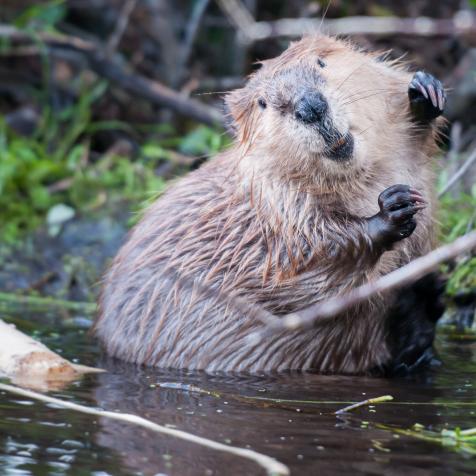
How Relocated Beavers Fight Climate Change

Relocated beavers cooled stream temperatures and restored the water levels only a year after their arrival.

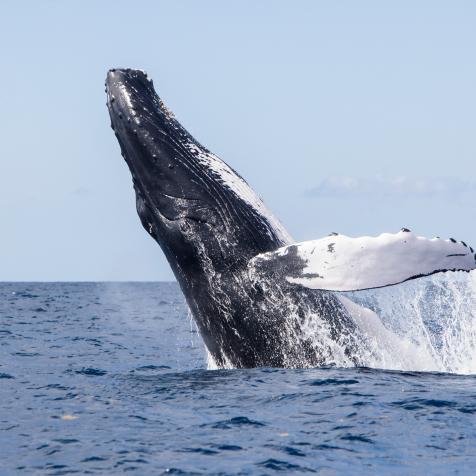
Whale and Krill Populations are the Secret to Healthier Oceans

Oceans rely on their largest species, especially whales, to recycle and regenerate ecosystems. Studies at Stanford University identify the whale as an animal that recharges its own food sources and recycles carbon. Now researchers think they have found a way to seed plankton and krill numbers that will boost whale populations and restore fading sea life.

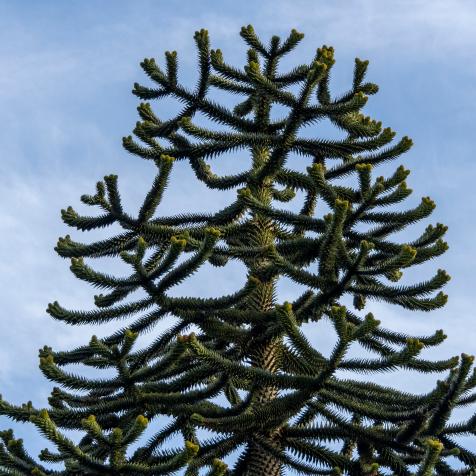
The Ancient Monkey Puzzle Tree Outlasted Dinosaurs. Now It's Facing Extinction.

The monkey puzzle tree is a remnant of the Jurassic era, more than 145 million years ago, surviving way past its ancient dinosaur counterparts. Reaching heights of about 160 feet, the evergreen tree has a lifespan of up to 700 years and stiff scaly branches with rigid spiral leaves. Monkey puzzle trees’ presence in the wild is shrinking and after million years, their very existence is now endangered.

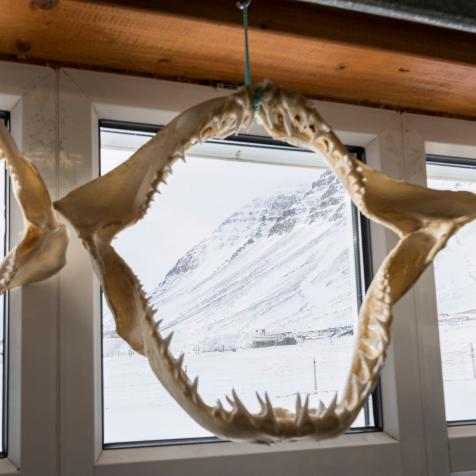
Are Sharks Coming Closer to Our Shores?

Scientists at the University of Miami Rosenstiel School of Marine and Atmospheric Science have speculated that variables related to high urbanization may be driving higher occurrences of sharks within coastal waters. With high increased levels of urbanization in coastal cities, it’s important for our world to understand how ocean life adapts to the changes in their habitats.

Ancient Greenland Shark Found Thousands of Miles from Home, in Belize

The Greenland shark, one of the longest living animals on Earth, was surprisingly found in coral reefs off the coast of Belize. The Greenland shark most commonly lives in colder waters around Greenland and Iceland and can live to be over 500 years old.