


Articles
Showing 1,621 - 1635 of 2,631 results

The Sheer Awesomeness and Weirdness of Cosmic Strings
I’m going to start this off by telling you that we’re not sure if cosmic strings exist.But if they did, it would be awesome.

Nanodiamond Sparkles as Miracle Material of Future Technology
Invisible to the naked eye and made from one of Earth’s most abundant elements, carbon, the wonder-material nanodiamond is an impressive creation. These tiny particles of diamond measure billionths of a meter in size, but their impact on future science is likely to be colossal.

New Zealand's Sea Lions Have Returned: Crashing Soccer Games, Golf Courses, and Public Pools
One of the world’s rarest sea lion species was driven into near extinction after being targeted by hunters. Now, New Zealand sea lions are repopulating the coasts– surprising locals in unexpected places.

Protecting Sand Dunes Helps Wildlife
Nature photography is often about storytelling, and not just making pretty pictures (though it's important to make time to do just that, too!). And the Oceano Dunes have quite the story.
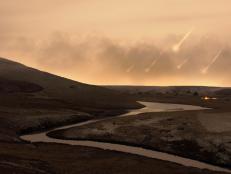
Raining Sulfur in the Biblical City of Sodom Could Be Explained by an Impact Event
About 3,600 years ago, Tall el-Hammam was a bustling city-state in the Jordan Valley near the Dead Sea. It thrived for 1,500 years — until a devastating event destroyed the city and contaminated the surrounding farmland with salt. What had once been an extremely fertile area became completely barren overnight. Humans left the region for at least 500 years afterward, and researchers have struggled to explain what happened.
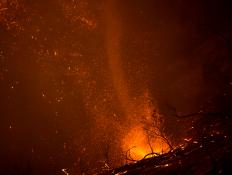
Wildfire Outbreaks are Creating Their Own Stormclouds and Fire Tornadoes
Large wildfires are becoming more frequent as the planet warms and the heat, smoke, and gases they generate add to climate change. What is less well known is they can create their own weather. In 2021, California’s Dixie Fire generated its own giant storm clouds, lightning, and fiery whirlwinds.

'Tis the Season on discovery+
Celebrate the holidays with our favorite distillers on a very special episode of MOONSHINERS: MASTER DISTILLERS and see the world with the biggest digital creator out there on DISCOVERING DAVID DOBRIK. This December doesn't disappoint on discovery+.

Whale and Krill Populations are the Secret to Healthier Oceans
Oceans rely on their largest species, especially whales, to recycle and regenerate ecosystems. Studies at Stanford University identify the whale as an animal that recharges its own food sources and recycles carbon. Now researchers think they have found a way to seed plankton and krill numbers that will boost whale populations and restore fading sea life.

Coffee Culture Brews Up Eco-Friendly Espresso in the Lab
Coffee is one of the world’s favorite beverages: a pick-me-up social brew that regular drinkers in the US consume more than three times a day. But the coffee bean itself is under threat from climate change. Now a Finnish research group has cultured beans in the lab to offer the world a sustainable espresso.

Cutting Methane is Quickest Way to Limit Global Warming Before 2030
President Joe Biden has announced plans to tackle climate change by reducing emissions of the greenhouse gas methane by at least 30% by 2030. His pledge, agreed with the European Union, aims to raise ambitions for world leaders to combat global warming ahead of the critical COP26 climate summit in November.

NASA’s DART Mission Launches: Defending our Planet from an Asteroid
NASA’s first mission to test asteroid deflection technology launched yesterday. DART, or Double Asteroid Redirection Test, is a mission to slam a rocket into an asteroid… hopefully altering its path.
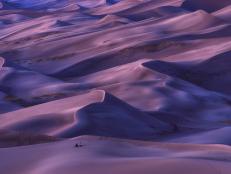
Explore These Majestic Sand Dunes... In Colorado
Colorado; a place we usually associate with snow-capped mountains and green grassy meadows, winter skiing, and kayaking in its clear, mirror-like lakes. But did you know the state is also home to a 30-square-mile sand dune field?

The Ultimate Origins of Your Thanksgiving Dinner
We’ve all heard the story of the first Thanksgiving, but this meal – and life itself, if we’re being honest – wouldn’t be possible without the elements themselves. And those elements took a long journey to end up on your dinner plate.
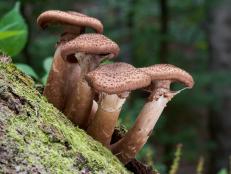
The Largest Living Thing on Earth Is a 3.5-Square-Mile Fungus
The blue whale is the biggest animal on Earth, but it’s not Earth’s biggest life form. No, the blue whale pales in comparison to the actual largest living thing on the planet: the humongous fungus.

Lemurs Can Sing with Rhythm
Researchers found the first nonhuman animal that can keep a beat.