


All DNews Articles
Showing 436 - 450 of 605 results

The First Person to Receive a Heart Transplant from a Pig Survived 2 Months
After the U.S. man received the first successful transplant of its kind, a Maryland hospital reported his death today.
Mining e-Waste to Recover Precious Metals and Save the Planet
Electronic waste, or e-waste, has reached unsustainable levels. More efforts are needed to reclaim precious metals from discarded laptops and smartphones.

These Scientists Created Robots Covered in Living Skin
Japanese scientists created a self-healing skin for robots. This breakthrough study brings Westworld-like robots one step closer to reality.Is a dystopian future closer than we think?
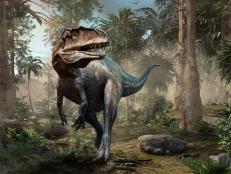
113 Million-Year-Old Dinosaur Tracks Uncovered Due to Drought
Severe drought conditions dried up a river at Dinosaur Valley State Park in Texas leading to the pre-eminent discovery.
Saving Baby Elephants from a Deadly Herpes Virus
One biotechnology company is accelerating efforts to eradicate a fatal disease affecting endangered elephants.
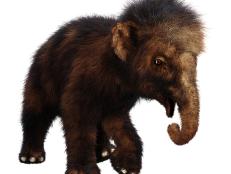
Gold Miner Discovers Mummified Baby Woolly Mammoth in Canada
A young miner struck something other than gold while digging in the permafrost of Canada’s Klondike. He stumbled across a 35,000-year-old preserved carcass of a woolly mammoth in impeccable condition.
This Country is Transforming an Abandoned Airport into a Green Oasis
Most old, disused airports are torn down to make way for shiny new developments, although at a huge cost and via a lengthy process.Not Tegel airport, in Berlin, Germany.

Wild Climate Ride Expected as Cryptocurrency Popularity Fuels Power Consumption
Bitcoin’s wild speculation and surging popularity has caused scientists and economic analysts to rate the digital cryptocurrency as a danger to the environment. More than 60% of Bitcoin’s mining cost is in the electricity it uses. And as its value rises, so does the entire currency’s energy consumption and its potential impact on climate change.

Astronomers May Have Found a Rare “Free-Floating” Black Hole
How do you see a perfectly black object in the middle of a pitch-dark night? It sounds like the start of an annoying riddle, but it’s really the question faced by astronomers when they want to search for black holes.

What the Missing Antarctic Microbes Mean for Life on Other Planets
Scientists searching for microbes in Antarctica came up with none. What could these findings mean for the possibility of life beyond earth?

When in Roam, a Woolly Mammoth’s Tusks are the Map
Roaming with Kik--a look into a woolly mammoth’s tusks unravels its 28-year journey in prehistoric Alaska.
William Shatner is going where no 90-year-old has gone before
The Star Trek star will become the oldest person to go to space when he launches aboard a Blue Origin rocket on Wednesday, October 13. Watch live coverage on Space Launch LIVE: Shatner in Space on Discovery and Science Channel starting at 8:30A ET with liftoff scheduled for 10A ET.

Using What We Know to Predict the Next Pandemic
How can we predict another pandemic? Researchers are utilizing what we have learned from COVID-19 to get in front of the potential pandemics of the future.

Bring Nothing, Give Everything. Naked and Afraid is Back Like Never Before
Naked in the Bermuda Triangle? There's a first time for everything.
Scientists Are Resurrecting the Tasmanian Tiger from Extinction
Colossal Biosciences has announced it has begun work on the de-extinction of the thylacine, an iconic Australian marsupial eradicated by human hunting in 1936. Learn how they plan to do it in an exclusive interview with marsupial evolutionary biologist Andrew Pask Ph.D. and Colossal Co-Founder Ben Lamm.