
Reporting on the growing issue of e-waste, the Royal Society of Chemistry (RSC) said that people find it difficult or expensive to repair their devices and worry about environmental impacts. Research shows that 57 million metric tons of e-waste was created worldwide in 2021 and people are frustrated about the lack of options to recycle their tech.
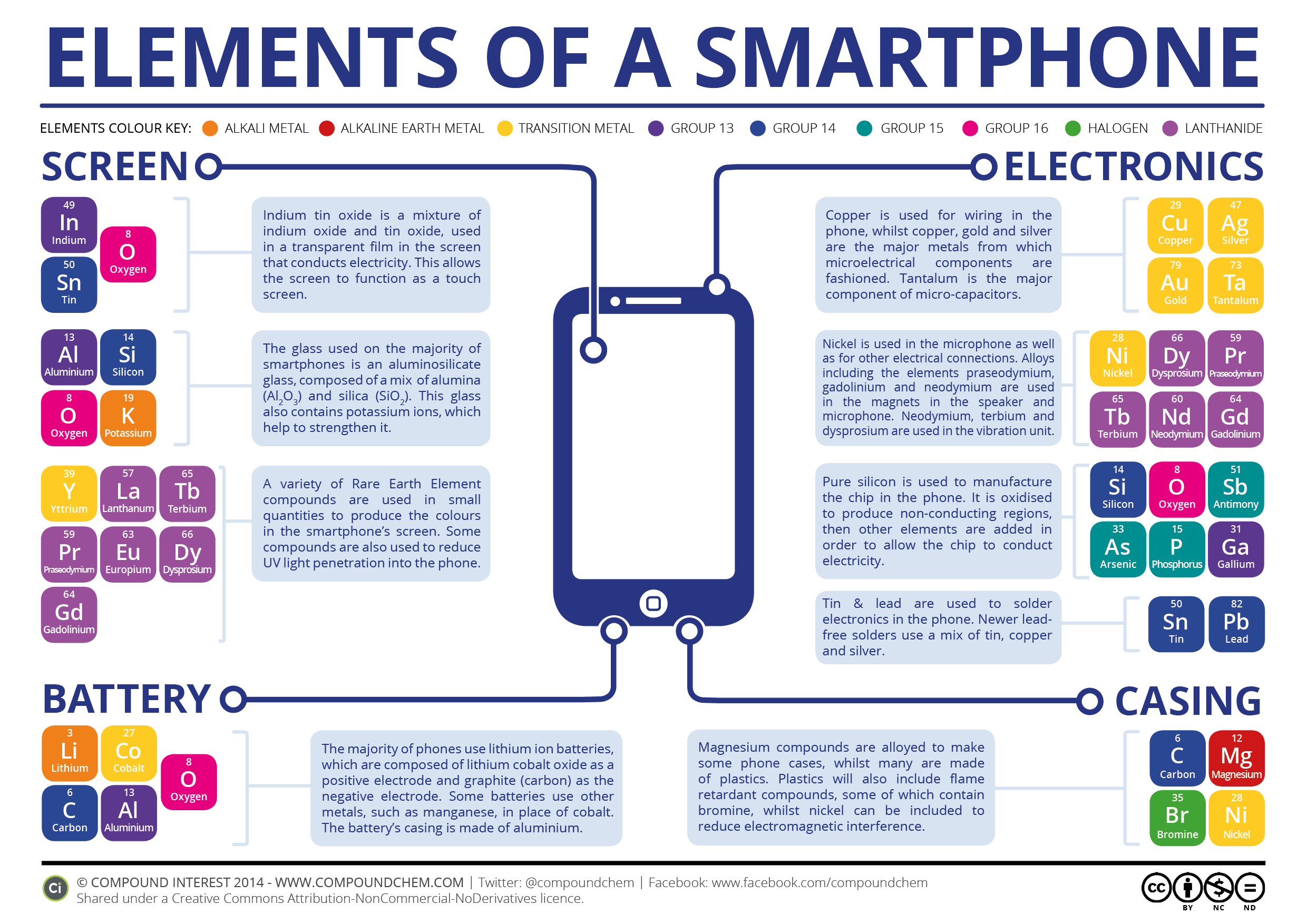
Individual devices contain metals including nickel, gold, and tantalum. Add millions of unused gadgets stored at home to the mountains of e-waste and the economic and environmental problems are massive. Shortages of newly mined metals and rising prices caused by the coronavirus pandemic, trade sanctions, and conflict in places like Ukraine, are creating extra pressure to recycle.
Nickel is used to plate electronic components including microprocessors and integrated circuits. Lithium and nickel together are used to make modern rechargeable batteries. Prices for both have rocketed because of global shortages caused by sanctions on Russia – an exporter of nickel – and booming demand for lithium-ion batteries in China.
Building a low carbon economy will depend on battery technology for electric vehicles and energy storage. Reclaiming the elements from used batteries will be an environmental necessity. Lithium-ion batteries also contain cobalt and copper, but as mining for nickel, lithium and cobalt creates toxic pollution that can ruin the environment, so too can battery recycling if not done properly. It’s a problem that needs to be solved quickly.
Another strong sustainability pressure in mining e-waste for recycled materials is that supplies could cease entirely. Up to 30 different elements are used in smartphones, and six – silver, arsenic, tantalum, yttrium, gallium and indium – are predicted to run out in the next century.
“Developing a circular economy where minerals used in tech devices are salvaged and repurposed could help us to bypass supply chain issues in the future while also helping to reduce environmental impacts," said RSC president Tom Welton. “It is essential that governments and businesses urgently do more to tackle the world’s growing e-waste crisis and alleviate the strain on supply chains.”
The US generates more than six million metric tons of e-waste each year and recycles only 15 per cent. So there is a huge need to ramp up and regulate recycling instead of shipping waste abroad, where it is dismantled or shredded, releasing toxins that can expose workers, including children, to diseases like cancer. Vast quantities are simply burned or buried in landfill to pollute the air, soil and water.
Electronic equipment is forecast to generate nearly 75 million metric tons of e-waste annually by 2030 – almost double what was created in 2014. Less than 20 per cent of global e-waste is currently recycled and that needs to change. The World Economic Forum said recycling will generate less carbon dioxide emissions than mining. And more gold can be recovered from a metric ton of mobile phones than a metric ton of gold ore.