


All Nature Articles
Showing 136 - 150 of 320 results
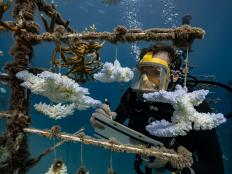
Coral Reef Survival Relies on Gene Science and Lower Emissions
Coral reefs across the world are under threat as global warming raises sea temperatures and the oceans become more acidic from absorbing carbon dioxide. While nations work to reduce industrial greenhouse gases, including carbon dioxide, helping coral to adapt to changing conditions could provide welcome relief for affected reefs.

Bald Eagles Made a Comeback But Now They’re Under Threat Again
The resurgence of bald eagles in American skies has been touted as one of the biggest conservation successes in the country – but now scientists say the birds are being poisoned by lead.
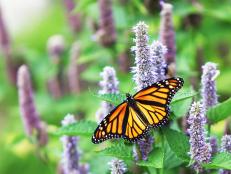
Can Ecuador’s New Approach to Monitoring Butterflies Help Save Them?
Butterflies, once a familiar sight around the world, are plummeting toward extinction due to colossal threats from pesticides, habitat loss and climate change.
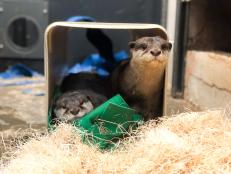
Meet This Unique Otter Species
A few months ago, Georgia Aquarium welcomed two new additions to their Asian small-clawed otter habitat. Triton, a 4-year-old female, and Han, a 3-year-old male, joined the Aquarium as part of the Association of Zoos and Aquariums’ (AZA) Species Survival Program (SSP).

Whale and Krill Populations are the Secret to Healthier Oceans
Oceans rely on their largest species, especially whales, to recycle and regenerate ecosystems. Studies at Stanford University identify the whale as an animal that recharges its own food sources and recycles carbon. Now researchers think they have found a way to seed plankton and krill numbers that will boost whale populations and restore fading sea life.
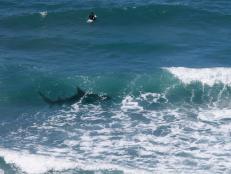
Are Sharks Coming Closer to Our Shores?
Scientists at the University of Miami Rosenstiel School of Marine and Atmospheric Science have speculated that variables related to high urbanization may be driving higher occurrences of sharks within coastal waters. With high increased levels of urbanization in coastal cities, it’s important for our world to understand how ocean life adapts to the changes in their habitats.
How Relocated Beavers Fight Climate Change
Relocated beavers cooled stream temperatures and restored the water levels only a year after their arrival.
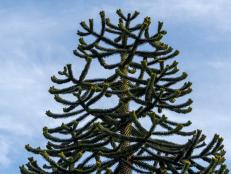
The Ancient Monkey Puzzle Tree Outlasted Dinosaurs. Now It's Facing Extinction.
The monkey puzzle tree is a remnant of the Jurassic era, more than 145 million years ago, surviving way past its ancient dinosaur counterparts. Reaching heights of about 160 feet, the evergreen tree has a lifespan of up to 700 years and stiff scaly branches with rigid spiral leaves. Monkey puzzle trees’ presence in the wild is shrinking and after million years, their very existence is now endangered.
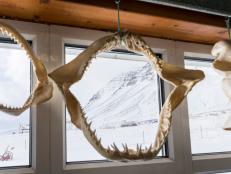
Ancient Greenland Shark Found Thousands of Miles from Home, in Belize
The Greenland shark, one of the longest living animals on Earth, was surprisingly found in coral reefs off the coast of Belize. The Greenland shark most commonly lives in colder waters around Greenland and Iceland and can live to be over 500 years old.
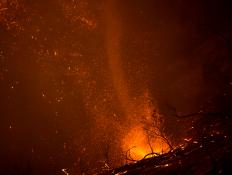
Wildfire Outbreaks are Creating Their Own Stormclouds and Fire Tornadoes
Large wildfires are becoming more frequent as the planet warms and the heat, smoke, and gases they generate add to climate change. What is less well known is they can create their own weather. In 2021, California’s Dixie Fire generated its own giant storm clouds, lightning, and fiery whirlwinds.
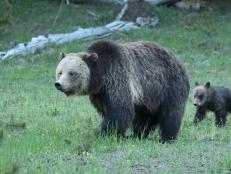
Yellowstone’s Oldest Bear was a Whopping 34 Years Old
The oldest grizzly thought to have roamed the Yellowstone region was identified as being a whopping 34 years old, after biologists spotted a mark on his lip made in 1989.
NASA is Helping Save Sharks
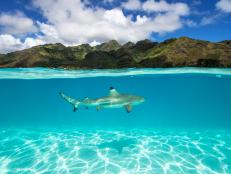
As the battle to save species across the world wages on, conservation efforts are becoming more and more technological in tracking, monitoring and collecting data.And perhaps one of the most advanced techniques is currently being deployed by NASA, an unlikely ally in the fight to save sharks.

This Mighty Fish Loses 20 Teeth Everyday, Then It Grows Them All Back
That’s the equivalent of a human losing and growing back a tooth every day.

New Research Reveals Cause of Death for 3 Million Birds
An estimated 3 million short-tailed shearwaters died along the coast of Australia in 2013. New research suggests humans and the 2012 Harve submarine eruption are to blame.

Bison are on the Move in Romania
The first bison relocation in Europe of its kind has been hailed a success after seven male individuals were transported from Germany and set free in Bulgaria earlier this summer.