


All Science Articles
Showing 181 - 195 of 341 results
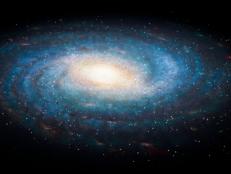
Scientists Have Discovered Enormous Balloon-Like Structures in the Center of Our Galaxy
There's something really, really big in the middle of our Milky Way galaxy — one of the largest structures ever observed in the region, in fact.
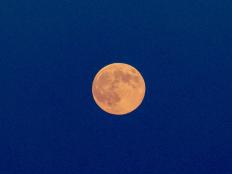
The Last Supermoon of the Year and How to See It
The Super Flower Moon of May is this year's last supermoon, when the Moon appears slightly larger and brighter in the sky because it is somewhat closer to Earth. Here's everything you need to know and how to watch it from home.
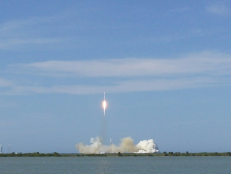
NASA and SpaceX to Launch a Crewed Mission to ISS in May 2020
For the first time since its conception 18 years ago, SpaceX, along with NASA, will launch a crewed mission to space.

Swimming Really Does Make You Hungrier Than Other Forms of Exercise
You may want to hit the pool to drop the pounds.

Robots Imitate Life to Create Better Versions of Themselves
Robots have always imitated life. Social androids powered by artificial intelligence have now reached a level where they may be ready to work in shops, airports, and care homes. But an entirely new class of robots is being developed that can grow, evolve, and even reproduce.
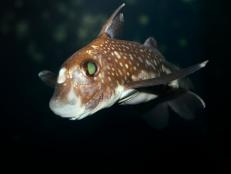
Rare Baby Ghost Shark Discovered Off New Zealand Coast
Scientists hope the ‘very rare’ finding will fill in research gaps about the elusive species.

The First Person to Receive a Heart Transplant from a Pig Survived 2 Months
After the U.S. man received the first successful transplant of its kind, a Maryland hospital reported his death today.

Polar Heatwaves Raise Alarm On Ice Melt and Sea Level Rise
Polar heatwaves in the Arctic and Antarctic have climate scientists concerned about the possibility of rapid climate breakdown. Soaring seasonal temperatures of 40 degrees Celsius above normal in Antarctica and more than 20 Celsius in the Arctic could be a sign of cataclysmic shifts in both regions.
Mining e-Waste to Recover Precious Metals and Save the Planet
Electronic waste, or e-waste, has reached unsustainable levels. More efforts are needed to reclaim precious metals from discarded laptops and smartphones.

Why You Can’t Escape a Mosquito
Hiding the scent of human blood from mosquitoes is harder than scientists originally thought.

Neuroprosthetic Sensory Devices are Reconnecting People to the World
Sensory loss has a profound effect on millions of people’s everyday lives. Sight, hearing, touch, smell, and taste can all be affected, diminishing their experience of the world. But now, thanks to neuroprosthetic technology we can tap into nerve and brain function, and rewire these lost connections.
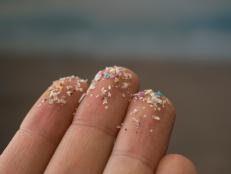
Microplastics in Blood Spotlight Health Emergency from Plastic Pollution
Plastic pollution is growing rapidly across Earth’s ecosystems and its threat to humanity and wildlife is too. Outcomes for health and the environment will be dire unless we tackle it, says a United Nations (UN) report. But the discovery of microplastics in human blood means urgent action is needed.

These Scientists Created Robots Covered in Living Skin
Japanese scientists created a self-healing skin for robots. This breakthrough study brings Westworld-like robots one step closer to reality.Is a dystopian future closer than we think?

Drone Images of Coastal Kelp Show Recovery is Possible
California’s coastal kelp forests could be making a welcome revival. Drone images show seaweed beds recovering along the north coast in Mendocino and Sonoma counties.

Insect Feed Can Transform the Farming Industry
Feeding insects to farm animals could be the environmental revolution that the livestock industry has been waiting for. Insects, a rich source of protein and part of the natural diet for pigs, poultry, and fish, use a fraction of the land and water needed to raise soybeans for feed and produce lower carbon emissions.