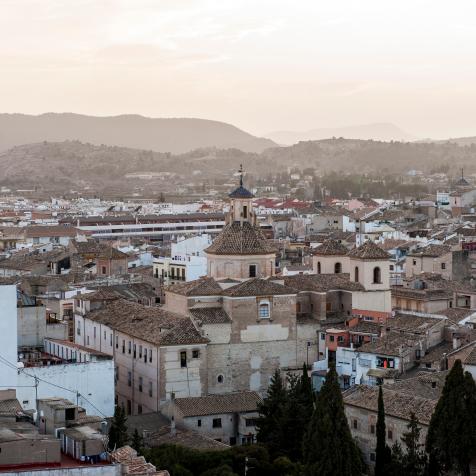
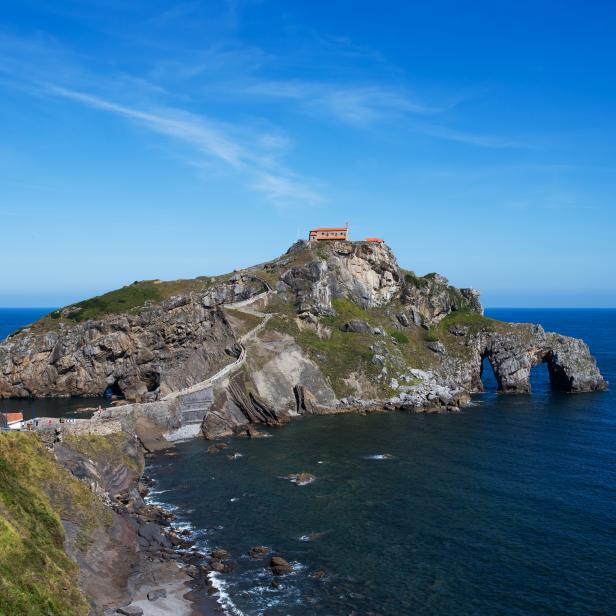
Gaztelugatxe is an islet on the coast of Biscay, Spain. It is connected to the mainland by a man-made bridge. On top of the island stands a church/ chapelle (named Gaztelugatxeko Doniene in Basque; San Juan de Gaztelugatxe in Spanish), dedicated to John the Baptist, that dates from the 10th century. The hermitage is accessed by a narrow path, crossing the solid stone bridge, and going up 237 steps.

613289550

Gaztelugatxe is an islet on the coast of Biscay, Spain. It is connected to the mainland by a man-made bridge. On top of the island stands a church/ chapelle (named Gaztelugatxeko Doniene in Basque; San Juan de Gaztelugatxe in Spanish), dedicated to John the Baptist, that dates from the 10th century. The hermitage is accessed by a narrow path, crossing the solid stone bridge, and going up 237 steps.

Photo by: GettyImages/fhm

GettyImages/fhm

Retrace the Journeys of Pilgrims in Spain's Basque Country

By: Lucy Sherriff

Discovering shepherds' huts and Spanish vineyards in the Basque Country.

October 23, 2019

The stone walls, roaming sheep, and remote farmhouses that perch atop rugged mountains overlooking the ocean are the site of numerous pilgrim trails in Basque Country - known as Euskadi by its patriotic Basque inhabitants.

Basque Country, an autonomous area of Spain that straddles the border of France and located in the western Pyrenees mountains, is an outdoor-lover’s paradise. Not only is there top-class surfing on the Atlantic coastline, particularly in the town of Mundaka, but there’s also fascinating 50 million-year-old flysch rock formations in Zumaia, and superb hiking trails that snake alongside the coastline.

País Vasco, as it’s called in Spanish, boasts endless hikes, and if you want to take an adventure into history, then head to the Gipuzkoa province.

The towns of Zumaia and Zarautz can get crowded, so retreat inland to the tiny hamlet of Aizarnazabal and shack up on a farm before exploring in the footsteps of travelers from ancient times.

1035400870

Photo by: Anton Petrus

Anton Petrus

Sarasola-Zahar is a beautiful farmhouse with stunning views of the ocean. But its main draw is that it’s the perfect spot to explore the wild countryside of the Gipuzkoa. The area is intensely green, thanks to the plentiful rain the region receives, and packed with mountains with historical links to pilgrims of the past. Many of the mountains, such as Aiako Harria, Txindoki, and Izarraitz, have crosses on their summits in homage to the pilgrimages that were once made.

Pack a picnic and strap on your hiking boots before getting lost in the misty mountains. As you hop over stone walls, get acquainted with local sheep and weave through vineyards. There’s plenty to explore in the area without needing your phone’s GPS – most of the local hikes are signposted and don’t appear online in any searches. You’ll have to rely on local knowledge and your navigation skills instead. Opt for the Zumaia to Deba trail, a 15.1 mile out and back trail showcasing beautiful wildflowers, farmland, and forest.

If you’re after more than a day hike, then explore Spain’s “cheese route”, a hike that links the farms and dairies that make the area’s prized raw sheep’s milk cheese Idiazábal. The circular walk takes around six days to complete. It begins and ends in Segura, and allows you to take in views of snow-capped mountains, shepherds’ huts, lush green valleys, and craggy peaks.

For history devotees, the Ignatian Way trail recreates the journey St Ignacio de Loyola, a Basque Catholic priest who co-founded the Jesuits, took in 1522. The entire route from Loyola to Manresa is 420 miles long, with the Basque section considered the most significant, making up the first two stages of the route. Starting at Loiola Sanctuary, the saint’s birthplace, the trail passes La Ermita de la Antigua, known as the cathedral of all hermitages, and finishing at Arantzazu Sanctuary, where the Virgin Mary was reported to have appeared to a shepherd in 1469.
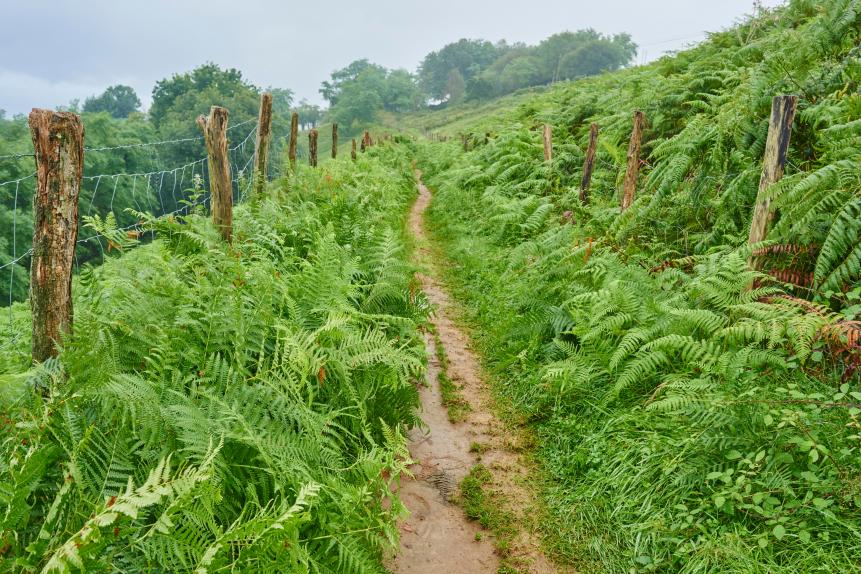
Walking path going through the Male fern (Dryopteris filix-mas) from Donostia San Sebastian to Orio at the Camino del Norte, coastal path, Way of St. James, Camino de Santiago trail, Basque country, Spain, Europe

1130799117

Walking path going through the Male fern (Dryopteris filix-mas) from Donostia San Sebastian to Orio at the Camino del Norte, coastal path, Way of St. James, Camino de Santiago trail, Basque country, Spain, Europe

Photo by: GettyImages/David & Micha Sheldon

GettyImages/David & Micha Sheldon

Or join the Camino del Norte hiking trail, a route running from Irún, on the border with France, to Arzua, which takes weeks to complete--or dip in and out along the way. Some of the most beautiful sections are from San Sebastián to Zarautz.

Tourists that visit Basque Country usually head straight to Donostia-San Sebastian, well known for its pintxos – the region’s tapas – and Michelin-starred restaurants. But it’s the tiny towns, cobbled streets, lush countryside, and humble churches that hold the real magic of País Vasco.
Next Up

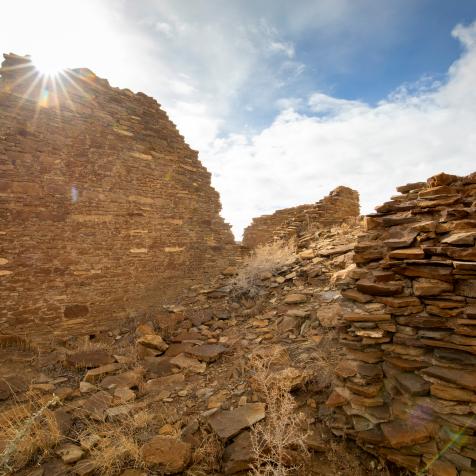
Explore the Rugged, Remote Chaco Canyon in New Mexico

Photographer and conservationist Ian Shive photographs one of the most remote and rugged parts of the United States to take us on a journey to Chaco Canyon in New Mexico's Chaco Culture National Historical Park.

Women May Have Been Powerful Rulers of the Ancient World

A discovery in Spain has experts wondering whether women were once powerful rulers in ancient Europe.

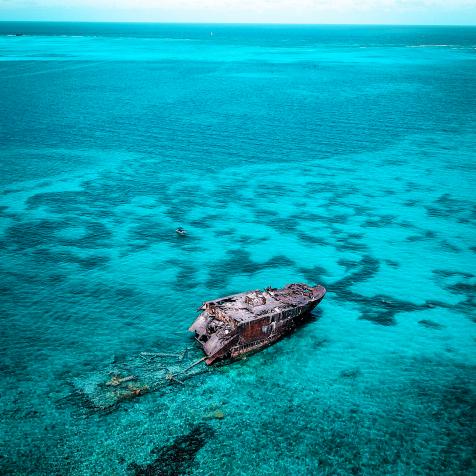
A Spanish Sunken Galleon Has a $17B Bounty Onboard - and Now You Can See It

Way back in 1708, when the War of Spanish Succession was waging across Europe and Latin America to decide who should be the next King of Spain, three Spanish galleons set sail from Panama. They were loaded to the brim with gold, silver, emeralds, and other jewels that had been extracted from the mines of Bolivia – and were vital in financing Spain’s costly war against its enemies.

Adventure and Exploration in Israel’s Ancient Deserts

Israel is a country packed full of history and culture. Head out on an adventure to discover ancient ruins, crumbling monasteries, and lush oases.

The Grand Tsingy in Madagascar Is a Deadly Forest of Limestone Needles

The African country of Madagascar boasts plenty of wildlife, but it also features the world's largest stone forest. Some of the limestone peaks reach as high as 2,600 feet, and the nature reserve is home to several unique endangered plants and animals including lemurs.

Tanzania: Beyond the Wildlife

Most people know that Tanzania is home of the Serengeti and an amazing diversity of wildlife. The country is made up of 430 species of wildlife and 17 national parks. But did you know that it’s where 51 million people call home as well?

5 Magical Reasons to Visit Iceland

Be prepared to be wowed by this unique island country.

This Little-Known Hiking Path Explores One of the Deepest Gorges in the World

A trek through China's Tiger Leaping Gorge is a journey into the country's most ethnically diverse region, where beauty and fear hang intoxicatingly in the air.

4 Wonders of the Philippines

The Philippines is an island country in Southeast Asia, consisting of over 7,000 islands and islets. From rolling chocolate hills to caves and beaches for exploration, the Philippines has many places to explore and learn about!

Discover this Quaint Gem on the English Coast

Tucked in the corner of the southwest of rugged England, lies one of the country’s most-loved gems – Cornwall. The county forms a peninsula fringed with golden sandy beaches, lined with towering cliffs, and dotted with picturesque fishing villages that harken back to days gone by.