


All Nature Articles
Showing 286 - 300 of 320 results

Giraffes Have Daycares, Lunch Buddies, and Yearslong Relationships
Scientists discovered that giraffes are actually a highly complex social species, on par with elephants and chimpanzees.
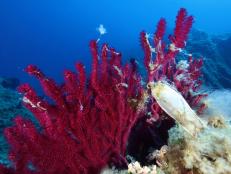
The Great Easter (Shark) Egg Hunt
In the United States, we know that every April brings a giant bunny hiding an array of colorful eggs that vary in size, color and texture. But did you know the ocean’s got its own version?!

A Human-Monkey Embryo Has Been Created by Scientists
Scientists have successfully created the first human-monkey chimera to further understand early human development.

Fossils Found Under Greenland’s Ice Sheet
Leaf and twig fossils are discovered to be “perfectly preserved” under Greenland’s ice sheet, fascinating scientists and leading to further discovery.

Ending Plastic Pollution in the Ocean One Drone at a Time
Man versus machine: it's a fight to undo plastic pollution created by humans through means of a drone army.

Extreme Weather: Climate Change is Fueling Storms, Heat Waves, and Flooding
Extreme weather is one of the most striking ways that people experience climate change. Greenhouse gases emitted by industry and other human activities trap heat in the atmosphere, causing climatic extremes including heat waves, droughts, storms and flooding. In 2020, extreme weather events caused damage in excess of $100 billion.
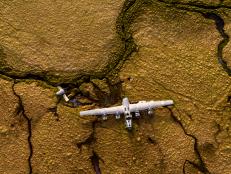
Discover the Last Unknown of the Aleutian Islands
The Aleutian Islands in Alaska are a rugged, wild network of 2,500+ islands which swing out from a small fishing village out into the middle of the Bering Sea. They are not only protected by remote isolation, but also in their designation as Alaska Maritime National Wildlife Refuge.Watch Ian’s full adventure unfold in THE LAST UNKNOWN: The Aleutian Islands, streaming on discovery+ on March 18.
Digging Sea Otters Stimulate Sexual Reproduction in Seagrass
Hungry sea otters improve the genetic diversity of eelgrass when digging for clams among aquatic vegetation, found scientists.

Do Octopuses Dream?
New footage shows a sleeping octopus changing colors, indicating the creature may be dreaming.

Climate Week 2021 Shines a Light on the Climate Crisis
Every September since 2009, Climate Week coincides with the UN General Assembly in New York City. Action is required to halt and attempt to reverse the rapid and catastrophic deterioration of the world's climate. The planet is in crisis and this year The Explorers Club is spotlighting experts in the field to bring awareness to how we can create the change we need to improve the future of the planet.

Climate Strikes: Rapid Action Needed to Stop Environmental Catastrophe
Saving the world is not an easy job, but cutting greenhouse gas emissions and limiting climate change is action the planet urgently needs, say scientists.

The King of Chunks Has Been Crowned
A four-time champion, 480 Otis proved that age is just a number and appetite is the real judge of awesomeness.

Canada's Wildlife is in Hot Water
Uncharacteristically hot temperatures in Canada and the Pacific Northwest have left people searching for relief. But what about the wildlife? It is only getting warmer, and that has caused irreversible damage and tragic demise to over 1 billion sea creatures.

Beneath the Water in South America’s Wetlands Lurk Hundreds of Swimming Jaguars
Fish-eating jaguars prowl the wetlands of Brazil, Bolivia, and Paraguay exhibiting extremely unusual behavior to scientists.
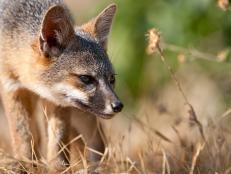
Meet the Island Fox of Channel Islands National Park
When I first started photographing Channel Islands National Park in Southern California in the mid-1990s, it was a very different place. As more and more people seek unique outdoor experiences, visitors to the islands have increased, but the most notable change I’ve witnessed over the years is the recovery of the park’s endemic island fox.