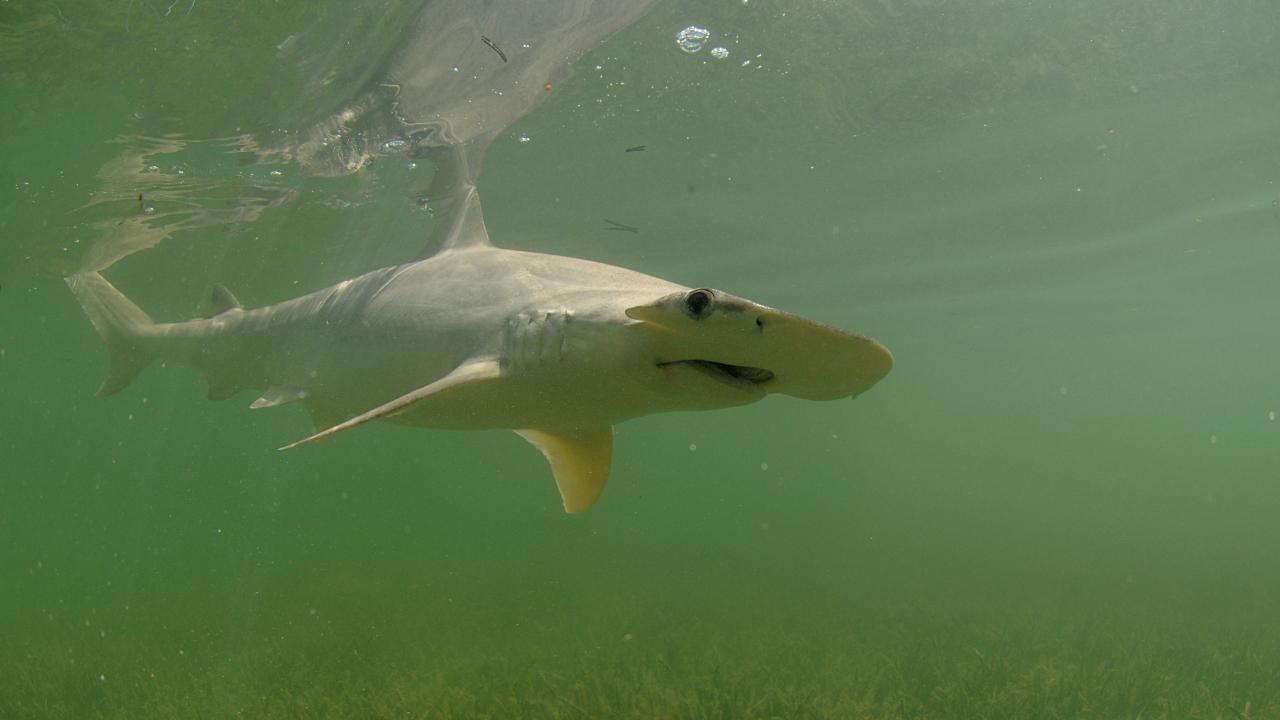
Bonnethead shark swimming in ocean in natural habitat

149419374

Bonnethead shark swimming in ocean in natural habitat

Photo by: FtLaudGirl

FtLaudGirl

Sharks Eat Plants, Too!

By: Sarah Agnone

Shark scientists recently dispelled a longstanding belief about shark diets. As the ultimate predator, it’s long been assumed sharks only eat meat. However, a recent study of the Bonnethead Shark (Sphyrna tiburo) revealed that some sharks have an appetite for plants.

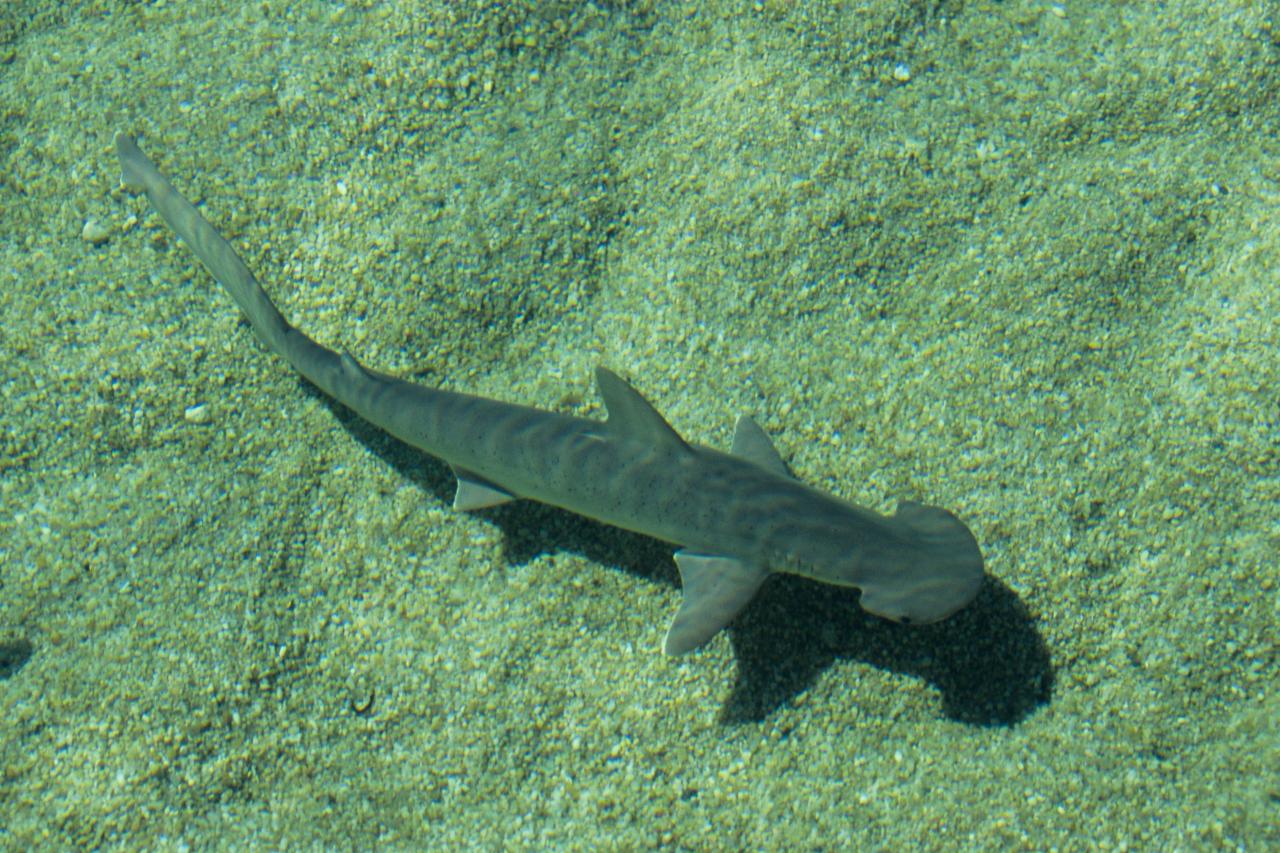
Bonnetheads, an extremely common species of Hammerhead, are “flexitarians” -- meaning they’re able to switch between meat and plant-based nutrition.
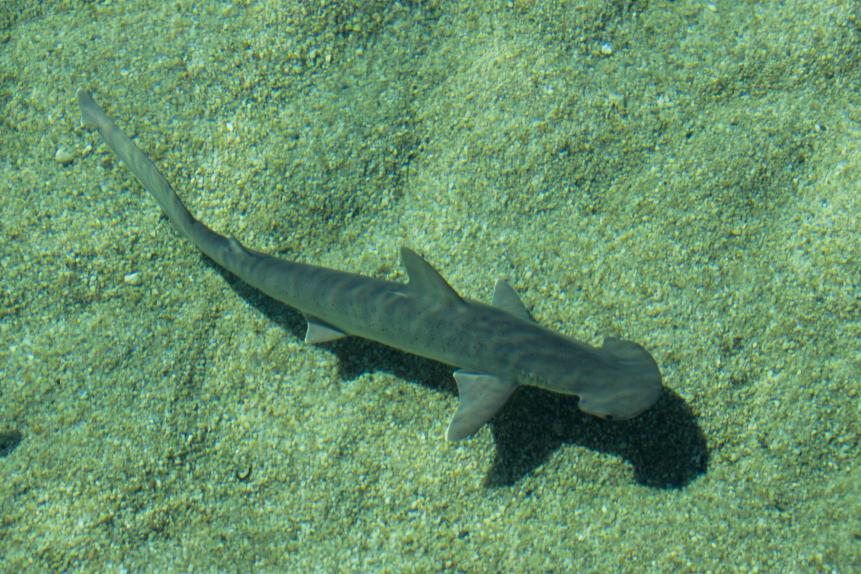
200351925-001

Photo by: Tom Brakefield

Tom Brakefield

For the past decade, researchers have observed the species eating sea grass, which took up over 62 percent of the sharks’ stomach content. It was assumed this consumption was incidental as they searched for crabs, fish, and other small animals living within the seagrass. But to determine if bonnethead’s were truly omnivorous, they needed to know if the seagrass provided actual nutritional value.

The research team collected five bonnethead sharks, as well as samples of seagrass to grow in their lab. The seagrass was modified with an easily traceable carbon isotope added to the water. When consumed, traces of the grass would be could be tracked throughout the shark’s digestion system.
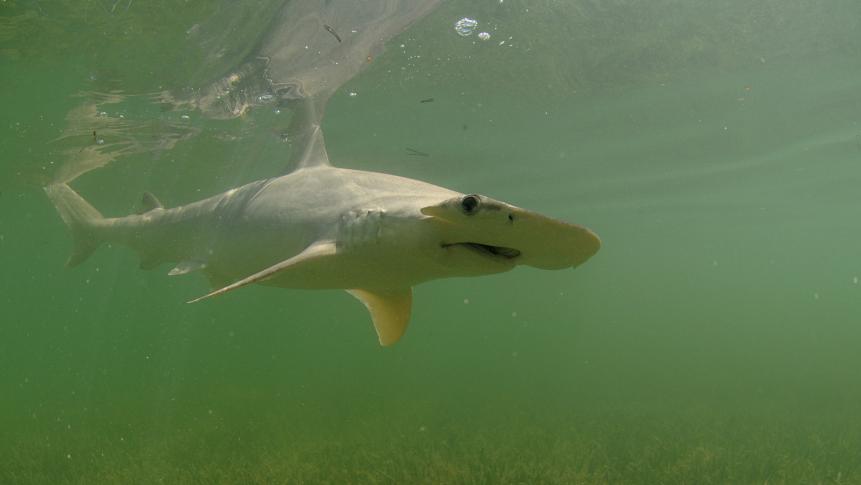
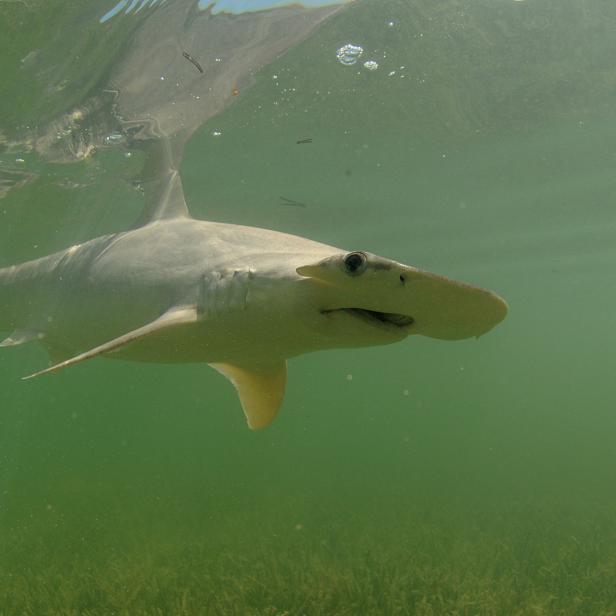
Bonnethead shark swimming in ocean in natural habitat

149419374

Bonnethead shark swimming in ocean in natural habitat

Photo by: FtLaudGirl

FtLaudGirl

First, the sharks were fed a diet of 10 percent squid and 90 percent seagrass for three weeks. All of the sharks gained weight, but to confirm their hypothesis that the seagrass provided sustenance, the team then conducted blood tests. The blood tests would determine how much of the seagrass was digested versus excreted.

The chemical tracer was found throughout the sharks’ bloodstream and liver tissue, indicating nutritional absorption of over half the seagrass’s organic content. Furthermore, the bonnethead’s enzymes indicated omnivorous digestion. While carnivores have low levels of fiber digesting enzymes, bonnetheads were found to have high levels of enzymes capable of breaking down the seagrass.

Omnivorous shark diets have immense implications for seagrass habitats. This new finding restructures scientific assumptions about local food chains and how to best preserve the seagrass that serves as a home to significant populations of the world’s sea creatures.

Next Up

Shipwrecked & Surrounded by Sharks

This week, we do things a little differently, as Shark Week’s Luke Tipple invites Adventure Aaron into the podcast studio to talk about his incredible near-death experience on the open water. Adventure Aaron gets into what it takes to circumnavigate the world in an ocean rowboat, what it’s like to stare eye-to-eye with an oceanic white tip that probably wants you for lunch, and everything else that happened to him when his boat was capsized, and he was lost by himself at sea.

Shark Week: The Podcast - How To Have A Career in Shark Science

Shark Week’s Luke Tipple tackles the question “How can I work with sharks?” alongside two experts in the field – and their answers are not always the obvious ones. Luke is joined first by Kelly Link, Associate Curator of the Georgia Aquarium who talks about what it’s like to be an aquarist, how it differs from field work, and how to get yourself noticed. The second guest is Dr. Neil Hammerschlag who goes into detail on what it takes to become a prominent scientist, and what other paths you can take if a PhD isn’t for you. And at the end, researcher Sierra stops by to tell us about the world’s smallest shark.

Shark Week: The Podcast - Why is Tagging Baby Great White Sharks So Important?

Luke Tipple speaks with Dr. Riley Elliott, a marine biologist from New Zealand who recently tagged baby great white sharks, which are rarely seen in the wild. They talk about how climate change is affecting shark pupping grounds, why fishers are wrong to think there are “too many sharks,” and about Dr. Elliott’s Great White App, which allows users to track great white sharks in the ocean.

There’s a Lot You Don’t Know About Sharks

But in the meantime, here are some fin-tastic facts you probably didn’t know about sharks.

Shark Week: The Podcast - Did Alien Tech Crash-Land into the Ocean?

Host Luke Tipple is joined this week by renowned Harvard professor, Dr. Avi Loeb, who recently led a deep-sea expedition to discover if evidence for advanced alien life crash-landed off the coast of Papua New Guinea in 2014. They discuss the recent Congressional UFO hearings, how the last seventy years of research into extraterrestrial life has been potentially misguided, and the challenges of searching for tiny objects on the bottom of the ocean.

Shark Week 2025 Kicks Off July 20th

Shark Week is back for its 37th year on Sunday, July 20th. Don't miss it!

Swimming with Sharks

One research foundation is working to change public perception of sharks by taking people swimming with them – without a cage.

Searching for Lost Sharks

Dr. Dave Ebert joined Animal Planet’s Forrest Galante in some of the most shark infested waters in the Southern Hemisphere to track down lost species on EXTINCT OR ALIVE: LAND OF THE LOST SHARKS. He let's us in on his experience.

New Pocket Shark Discovery

A new Pocket Shark has been discovered and it's insanely cute! Here's what you need to know...

Endangered Sharks of the World

Our world's oceans are continually challeged by pollution, overfishing, and climate change. This affects sharks just as much as it affects humans--if not more so. Read on to learn about some endangered sharks that need our help.