Photo courtesy of Fundación Atelopus

Starry Night Harlequin Toad (Atelopus aryescue)

Photo courtesy of Fundación Atelopus

Photo by: Photo courtesy of Fundación Atelopus

Photo courtesy of Fundación Atelopus

Photo courtesy of Fundación Atelopus

Starry Night Toad Found After Decades of Supposed Extinction

By: Leah Weber

A Harlequin Toad that was lost to science for nearly three decades has emerged from the jungle.

January 29, 2020

Across the world, animals of all kinds have battled the rough reality of changing habitats-- from human encroachment to diseases to climate change, it is a tough world out there. The Starry Night Harlequin Toad was lost to science, but in a heroic story of teamwork we are seeing the re-awakening of a species with both ecological and spiritual significance.

In the Colombian jungle, atop the highest coastal peak in the world, the Global Wildlife Foundation along with the amphibian conservation NGO, Fundación Atelopus, connected with the indigenous Arhuaco people to find this beautiful creature that has been lost to science for nearly 30 years. It was once thought that this species was wiped out by a fungal pathogen, but luck would have it that this critically endangered toad escaped that fate due to the protection of the land in which they inhabit.

Starry Night Harlequin Toad (Atelopus aryescue)

Photo courtesy of Fundación Atelopus

Starry Night Harlequin Toad (Atelopus aryescue)

Photo courtesy of Fundación Atelopus

Known as ‘gouna’ by the Arhuaco people in the Sogrome community in the Sierra Nevada de Santa Marta, the starry night toad is a culturally significant symbol. The only way access was granted to the GWF and team was their patience and respect for tradition.

“It is an incredible honor to be entrusted with the story of the starry night harlequin toad and the story of the Sogrome community’s relationship with it,” said Fundación Atelopus vice president and biologist José Luis Pérez-González. “We were hoping to find one individual of the starry night harlequin toad, and to our great surprise we found a population of 30 individuals. We were full of joy and hope as we had the chance to observe a healthy population from a genus for which very few species remain.”

We are grateful to the Arhuaco people and many like them all over the world that provide true protection to creatures once thought to be lost.

Next Up

It Is Time to Stop Wildlife Trafficking

Wildlife trafficking is the world’s fourth largest illegal trade, after drugs, human trafficking, and counterfeiting, says the World Wildlife Fund.

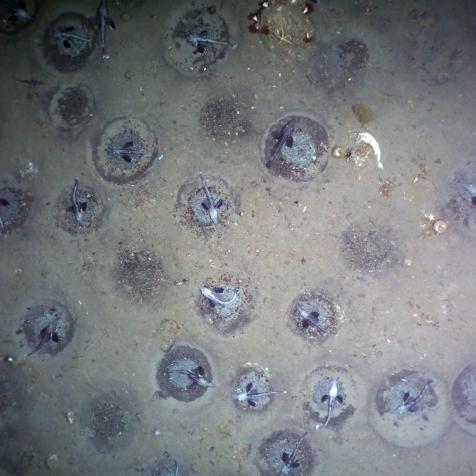
Polar Researchers Discover World’s Largest Fish Breeding Colony

Scientists aboard the German research vessel Polarstern have found the world’s largest fish breeding ground containing around 60 million nests.

The World’s Smelliest Flower Blooms Once a Decade

In previous years, corpse flower blooms have drawn large crowds and three-hour wait times. What makes this stinky flora so special?

Baby Bear Takes a Trip on Hallucinogenic ‘Mad Honey’

A bear cub was rescued in Turkey after passing out from eating too much hallucinogenic honey.

How Relocated Beavers Fight Climate Change

Relocated beavers cooled stream temperatures and restored the water levels only a year after their arrival.

Can Ecuador’s New Approach to Monitoring Butterflies Help Save Them?

Butterflies, once a familiar sight around the world, are plummeting toward extinction due to colossal threats from pesticides, habitat loss and climate change.

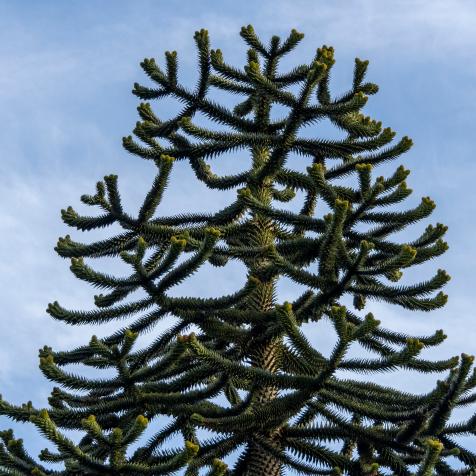
The Ancient Monkey Puzzle Tree Outlasted Dinosaurs. Now It's Facing Extinction.

The monkey puzzle tree is a remnant of the Jurassic era, more than 145 million years ago, surviving way past its ancient dinosaur counterparts. Reaching heights of about 160 feet, the evergreen tree has a lifespan of up to 700 years and stiff scaly branches with rigid spiral leaves. Monkey puzzle trees’ presence in the wild is shrinking and after million years, their very existence is now endangered.

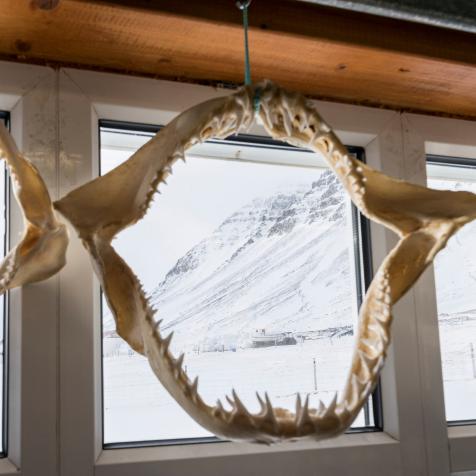
Ancient Greenland Shark Found Thousands of Miles from Home, in Belize

The Greenland shark, one of the longest living animals on Earth, was surprisingly found in coral reefs off the coast of Belize. The Greenland shark most commonly lives in colder waters around Greenland and Iceland and can live to be over 500 years old.

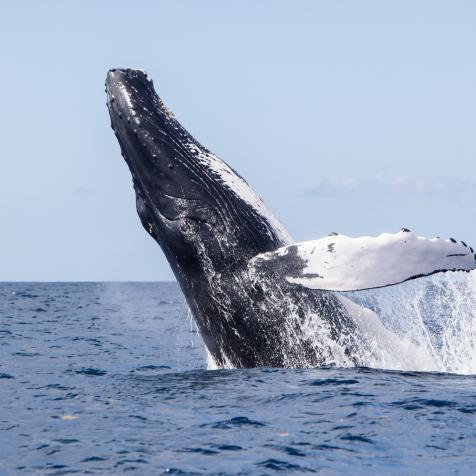
Whale and Krill Populations are the Secret to Healthier Oceans

Oceans rely on their largest species, especially whales, to recycle and regenerate ecosystems. Studies at Stanford University identify the whale as an animal that recharges its own food sources and recycles carbon. Now researchers think they have found a way to seed plankton and krill numbers that will boost whale populations and restore fading sea life.

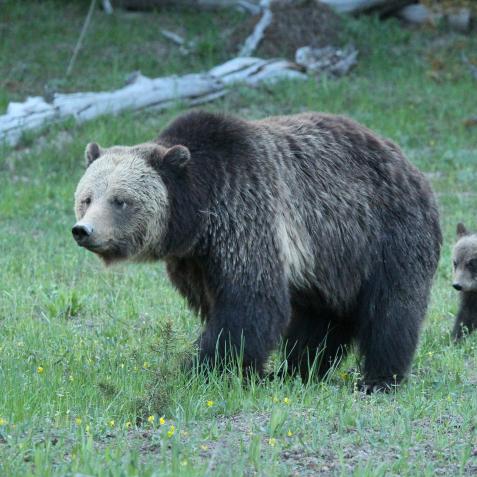
Yellowstone’s Oldest Bear was a Whopping 34 Years Old

The oldest grizzly thought to have roamed the Yellowstone region was identified as being a whopping 34 years old, after biologists spotted a mark on his lip made in 1989.