Tandem Stills + Motion
Taking a Look Back on 2021

It can be hard to truly appreciate how great a year is without taking time to stop and reflect upon it. As we start 2022, I decided to jump on the “best nine photos” of the year social media trend, and I was blown away by what an incredible year of adventure 2021 was! Definitely, a lot more than nine photos, that’s for sure.
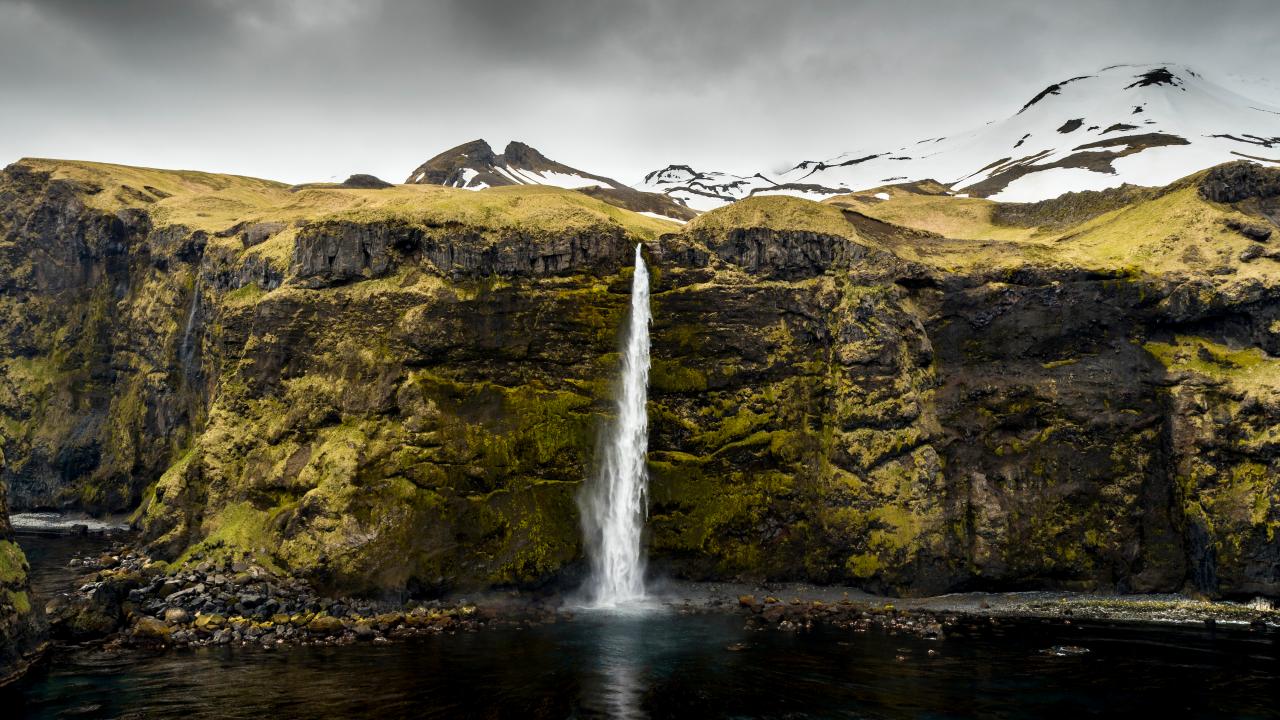
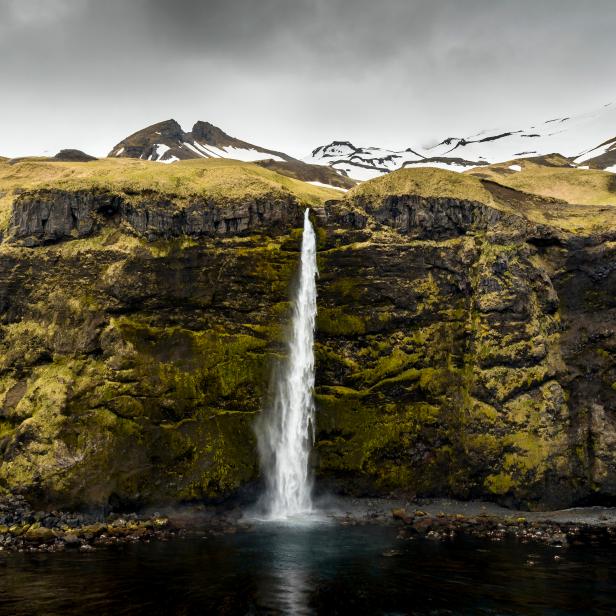
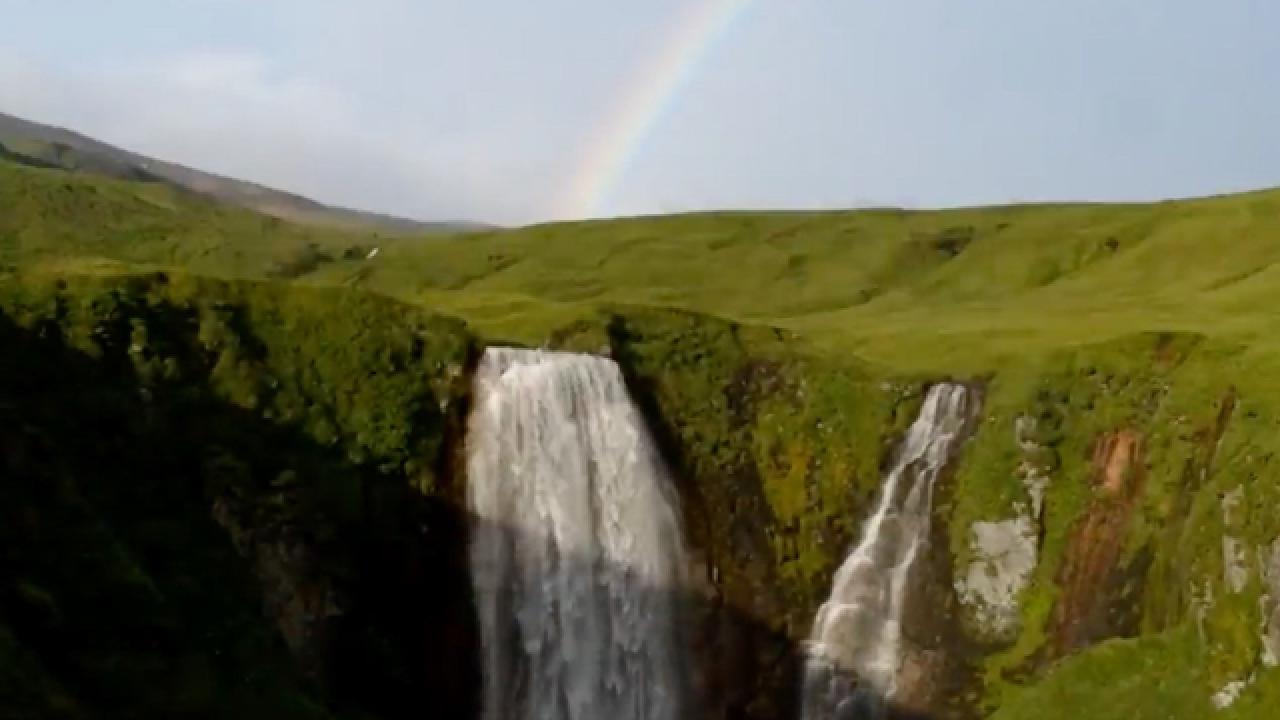
The year kicked off with the expedition of a lifetime, joining a team of scientists with the U.S. Fish & Wildlife Service to document Alaska Maritime National Wildlife Refuge. The epic journey through the Aleutian Islands became a one-hour original documentary, The Last Unknown, on discovery+ and revealed a remote and isolated world dominated by wildlife. Some of the largest gatherings of seabirds on the planet take place on these rugged, wind-worn islands, as well as being a protected stronghold for marine mammals such as northern fur seals, and numerous species of whales. Many of the islands are volcanically active, with steam vents spewing fumes, and the extreme heat from deep below melting surface snow, which runs off the island cliffs as massive waterfalls.
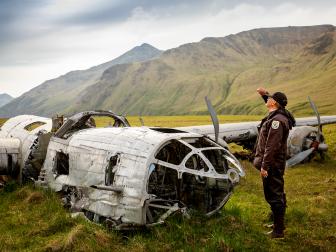
The biggest surprise of the trip, though, was the abundance of World War II relics on a few of the islands, including a B-24 bomber that remains in situ where it crash-landed almost 80 years ago. The journey was the result of two years of planning, partnerships, filming, and editing before it all finally came together for everyone to watch this year!
It’s hard to believe that was just the start of the year! Due to the challenges of the pandemic, many of my adventures were focused closer to home, which shows that you don’t need to go far to experience the best in nature. I climbed the White Mountains in California, on the hunt for Methuselah, one of the oldest trees in the world, I learned about the importance of rescuing and rehabilitating wildlife at the Santa Barbara Wildlife Care Network, and I finally found the Eagle Cliff Mine I’ve been trying to find for years in Joshua Tree National Park. I pushed my cardio fitness to the limits summiting the highest peak in the continental United States, Mt Whitney, at 14,505 feet!
Best Nature Photos of 2021 26 Photos
Nature photographer and conservationist, Ian Shive, shares his favorite moments from 2021 on the latest episode of Nature in Focus. From trekking remote Alaskan wilderness to documenting the birth of cicadas in Virginia, Ian was on the scene with his camera at the ready to capture nature's most incredible moments of the year. Take a look back at Ian's favorite photos of 2021.
As spring and summer became safer to travel, I was able to drop into Virginia to witness the birth of the once-every-17 year phenomenon of cicadas known as Brood X and hopped down to Texas, where I documented carnivorous plants having dinner in Big Thicket National Preserve, I stood at the opening of a cave where 20 million Mexican free-tailed bats emerge (so many they show up on radar like a rainstorm!), and a magical foray into a dark forest to photograph fireflies.
As if all of that wasn’t enough, I visited two more units of the national park service, including Mojave National Preserve, where the first inhabitants of the land left mysterious petroglyphs and pictographs, and a grand finale in Yellowstone National Park. Visiting Yellowstone was more than just a cap to a great year, it’s the park I began my career as a photographer, so it felt like a fitting end to what I consider the best year of my career so far.
And the best is yet to come! Stay tuned in 2022 as I share more adventures from our incredible, wild world on Nature in Focus! Thanks for joining me on this incredible ride!