Ian Shive / Tandem
Exploring Miniature Worlds

Expansive landscape photographs are my passion, but they are only part of the story. To truly capture the natural world, sometimes simplifying to the smallest details can transform your creative opportunities.
Many people think that you need to travel great distances and go on expensive, exotic trips to create stunning photos, but if you consider macro photography, which is capturing tiny details, then an entirely new world may open for you right in your own backyard.
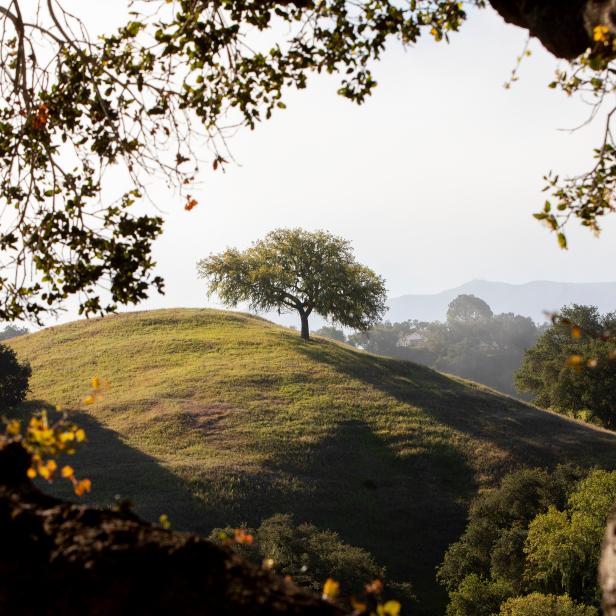
This is what I decided to do to challenge myself recently! I chose a relatively small area in my neighborhood to revisit over a couple of days, but the only rules I gave myself were to not photograph anything above the knees. The area is a rolling oak savannah and has a surrounding grassland that is rich with life. Wildflowers, bees, snakes, lizards, grasshoppers, and so much more exist in this tiny world.
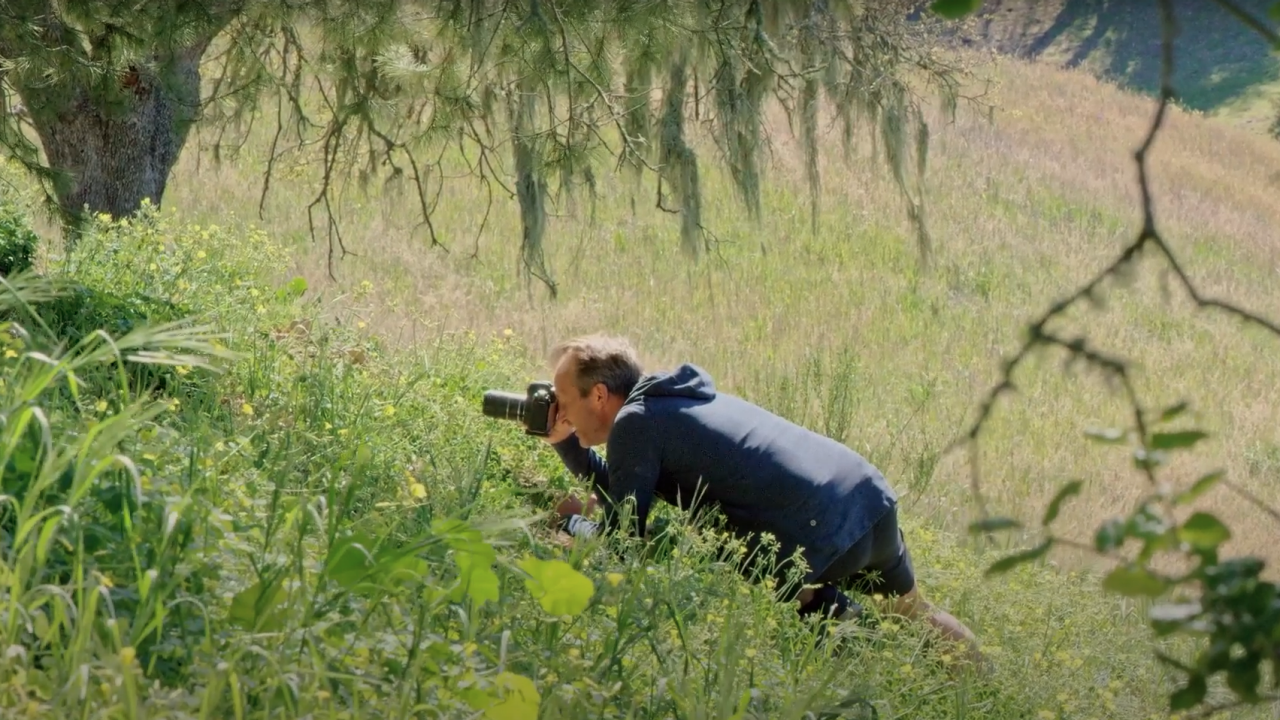
Using a 50mm macro lens on a traditional DSLR camera, I walked around looking for different opportunities. I also often use two extension tubes, which help me get ever closer to my subject matter and increase the magnification. In the evening light, the high contrast helps you see small things like jumping grasshoppers or other insects flying around, but during the day it can be more challenging. To find good subject matter, I like to literally crawl around and look at the world from a lizard or snake's point of view. So often I see people photographing wildflowers or objects low to the ground by simple leaning over and pointing their camera downward, but when you get eye-level with the subjects, it adds significantly more drama, improves the image, and has the power to transform a beautiful subject, into a beautiful piece of art. Even just crouching down and shooting across your subject, instead of down at it, will create a new way of photographing.
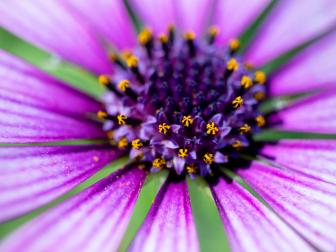
Photographing Miniature Worlds 10 Photos
In the latest episode of Nature in Focus, Ian Shive proves you don't need to travel to exotic destinations to take great photographs. He garners inspiration from his own backyard, experimenting with macrophotography to explore the miniature worlds around him. Take a look at Ian's favorite photos from the episode, and learn how you can make the most of the miniature worlds around you.
I really also pay attention to the background elements, not just the subject matter, especially with wildflowers. How in focus the background is, or how out of focus it is, can dramatically change an image. My default is to have a fully blurred background, called bokeh, though sometimes increasing depth of field and not having total blurriness can be beneficial to the composition, too. As I always say, shoot photos first, try different things, and decide later!
You also don’t need a special camera set up to do this. Using a smartphone, you can easily use tools like portrait mode, to help blur the background. Some apps also allow for a greater level of control with depth of field and close-up photography. It’s less about the camera you use, and more all about how you use it! So don’t be shy, get a good pair of pants, and crawl around so you can discover those miniature worlds, too!