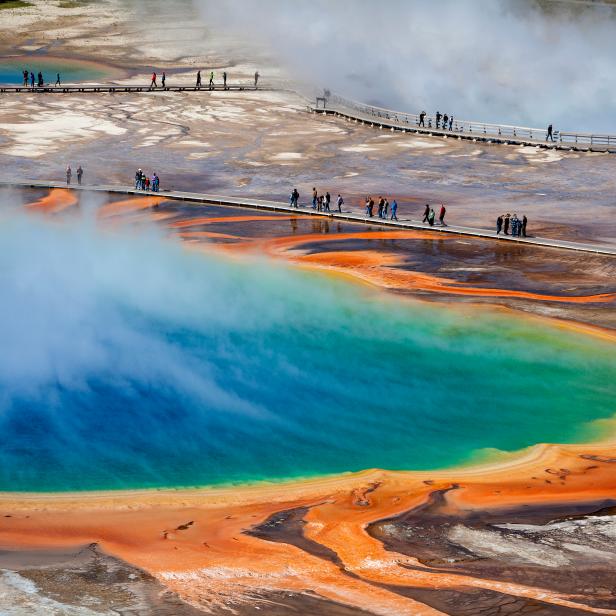
Grand Prismatic and tourists during summer. Photographed in 2013.

Grand Prismatic and tourists during summer. Photographed in 2013.

Photo by: Ian Shive

Ian Shive

Yellowstone National Park, the Beauty and History that Lie Within

Yellowstone was created by President Theodore Roosevelt, when the American West wasn’t under the expansive urban sprawl that is enduring today. Yet the foresight of protecting the place for “future generations” became a hallmark of America. As we celebrate the last 150 years, I wonder what it means to preserve Yellowstone (or any national park) for the next 150 years and beyond. What does the word “generations” mean? Generations of wildlife? People?

November 08, 2021

For 24 years I’ve photographed in Yellowstone National Park. In fact, it was the first park I really started to hone my craft as a photographer, spending days alone in the Lamar Valley hoping to get a shot of an elusive wolf, which had only been reintroduced to the park the year before. I sometimes laugh realizing the lens I had would have required a wolf to walk right up to me! We have to learn somehow.
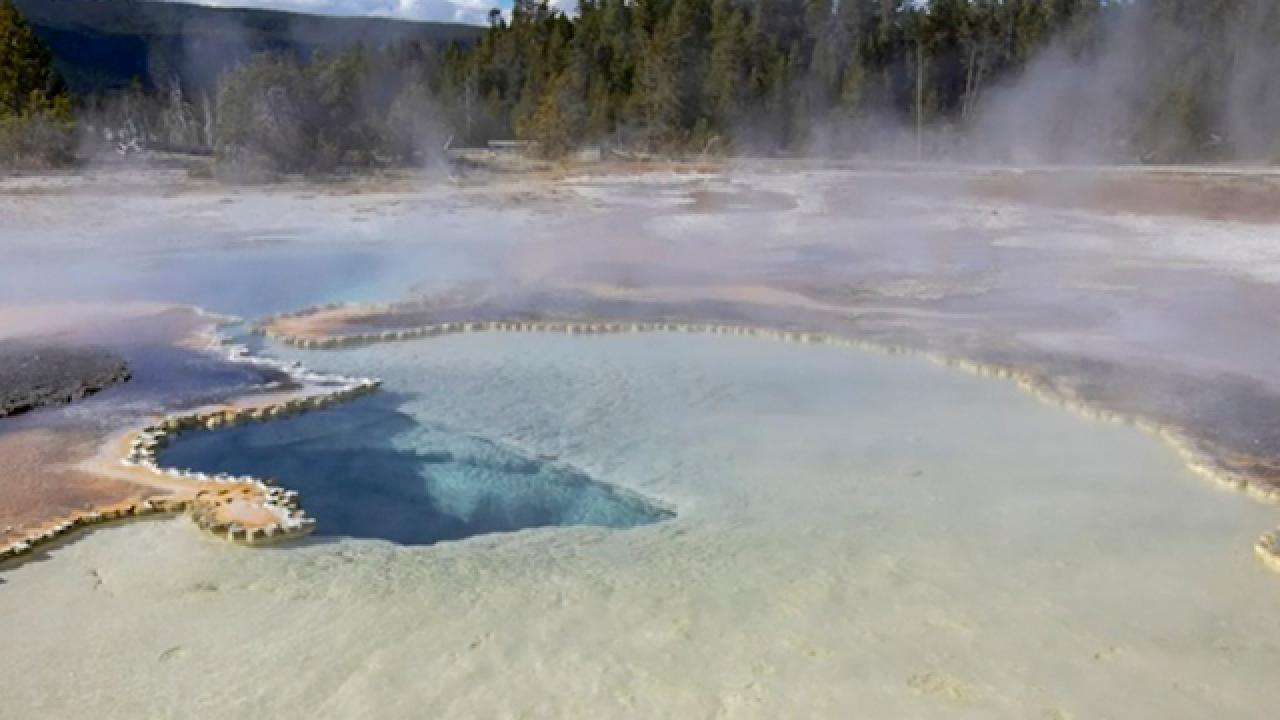
Nature In Focus | Yellowstone National Park, Generations of Beauty and History
Loading Video...

I am proud to return to the park today, now a major advocate for the preservation of our national parks and the conservation of nature worldwide. My latest project for the National Parks Conservation Association (npca.org) is part of a run-up of celebrations and forward-thinking efforts to celebrate the 150th anniversary of Yellowstone on March 1, 2022.
When the park was created back then by President Theodore Roosevelt, the American West wasn’t under the expansive urban sprawl that is enduring today, yet the foresight of protecting the place for “future generations” became a hallmark of America and is often branded as our “best idea.” But as we celebrate the last 150 years, I also wonder what it means to preserve Yellowstone (or any national park) for the next 150 years and beyond. What does the word “generations” mean? Generations of wildlife? People?


Which of course opens the broader conversation of the first people to inhabit this region, and what Yellowstone will mean to their future generations. This most recent assignment introduced me to Dr. Shane Doyle, Apsaálooke and educational cultural consultant who is helping reveal Yellowstone’s history before it was our first national park. His stories featured in the latest episode of Nature in Focus are just a taste of the rich history that exists around Yellowstone and the Greater Yellowstone Ecosystem.

With a history going back at least 12,600 years ago, 27 different Native American nations affiliate their history with Yellowstone. A spiritual place, a place of sustenance, it became the foundation for some of their creation stories and continues to be a vital part of their future.

Ian Shive is a photographer, author, film and television producer, and conservationist who has been praised as the “leading chronicler of America’s national parks.”

Next Up

Top Five Rarest Bottom Dwellers

National Insect week occurs between June 20 -26. The week focuses on the importance of insects within ecosystems, nature, and wildlife. Insects do have a bad reputation, as some are a nuisance, and some are scary, but each plays a key role in maintaining order in nature. In celebration of the hard-working insects that you may see in your backyard, here’s a list of the ones you won’t be seeing. The rarest insects on the planet.

Are Sharks Coming Closer to Our Shores?

Scientists at the University of Miami Rosenstiel School of Marine and Atmospheric Science have speculated that variables related to high urbanization may be driving higher occurrences of sharks within coastal waters. With high increased levels of urbanization in coastal cities, it’s important for our world to understand how ocean life adapts to the changes in their habitats.

The King of Chunks Has Been Crowned

A four-time champion, 480 Otis proved that age is just a number and appetite is the real judge of awesomeness.

Discover the Last Unknown of the Aleutian Islands

The Aleutian Islands in Alaska are a rugged, wild network of 2,500+ islands which swing out from a small fishing village out into the middle of the Bering Sea. They are not only protected by remote isolation, but also in their designation as Alaska Maritime National Wildlife Refuge.Watch Ian’s full adventure unfold in THE LAST UNKNOWN: The Aleutian Islands, streaming on discovery+ on March 18.

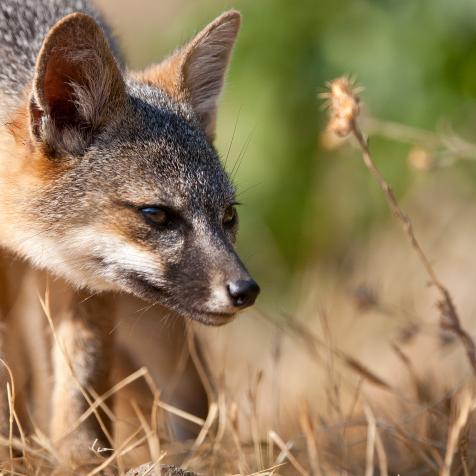
Meet the Island Fox of Channel Islands National Park

When I first started photographing Channel Islands National Park in Southern California in the mid-1990s, it was a very different place. As more and more people seek unique outdoor experiences, visitors to the islands have increased, but the most notable change I’ve witnessed over the years is the recovery of the park’s endemic island fox.

Meet Brood X: Billions of Cicadas Emerging Soon Within Eastern U.S.

Do you hear it? If you live in the Eastern U.S., it's likely the noisy entrance of the cicadas from Brood X as they emerge for the first time in 17 years.

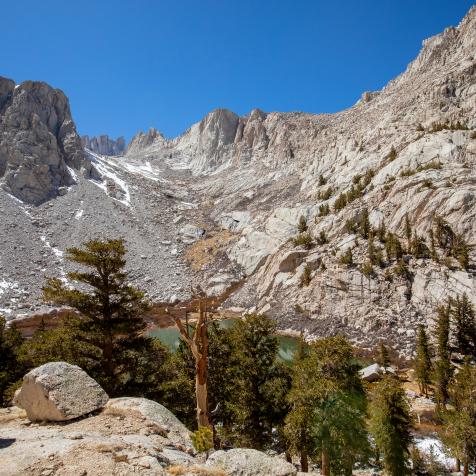
Bring It On, Mount Whitney

Climbing the world’s highest peaks tests every aspect of your being, and as a nature photographer, it can test your skill.

The American Wolf is Making a Comeback

The wolf evokes a strong reaction in most of us, whether it’s romantic images of the apex predator howling at the full moon, or anger at wolves encroaching on cattle grazing land.It’s a controversial topic, and so it’s even more important to sort fact from fiction.

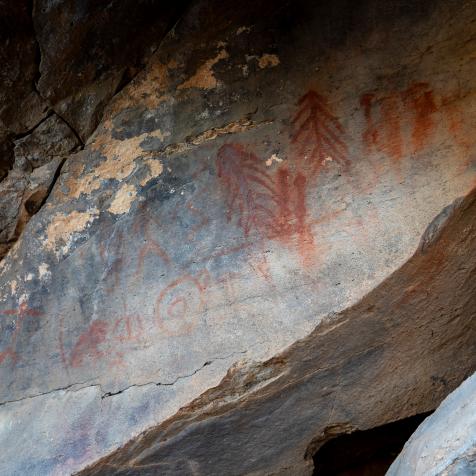
Ancient Rock Art of the Mojave National Preserve

My first expedition to Mojave National Preserve, California, was an epic adventure that felt ripped right off the pages of an Indiana Jones movie. An ancient cave in an unassuming desert landscape that at high noon, reveals shafts of light into a soft, sandy cave, like an underground sundial.

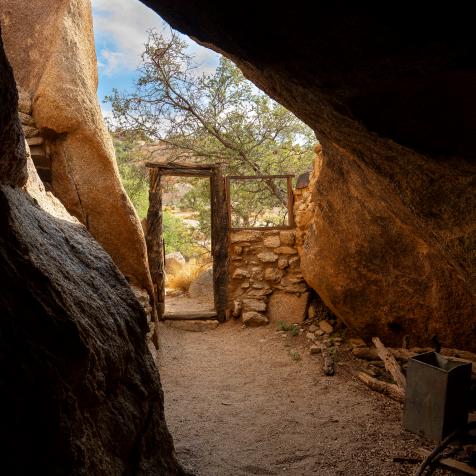
Secrets of Joshua Tree National Park, California: The Eagle Cliff Mine

While America’s National Parks are renowned for their popular, natural icons, such as Old Faithful in Yellowstone or El Capitan in Yosemite, the parks also protect a tremendous amount of lesser known, or even unknown, historic and natural features that are no less mesmerizing.

Related To: