1269897316

Photo by: Hello Africa

Hello Africa

Bird Enthusiasts Take Over Social Media for #BlackBirdersWeek

Because nature lovers are just as diverse as nature itself.

June 04, 2021

The second annual Black Birders Week officially began May 30th and will conclude on June 5th. Black Birders week is a time to celebrate birds of all species and promote diversity within the nature community.

The initiative was born after New York City birder, Christian Cooper, became the target of a racially charged encounter in Central Park. The incident sparked conversation among Black naturalists, leading to The BlackAFInSTEM Collective (BAFiS), the organization which launched #BlackBirdersWeek.

Black Birders Week is a 7-day virtual event that uses social media to connect birders of all backgrounds with one another. The event also encompasses various virtual activities for bird lovers to interact and engage in. Each day represents a different theme for those participating to post photos and videos while sharing experiences and connecting. For more information visit the official website.

Everyone can support the trailblazing work of organizers @BlackAFInSTEM, amplify and celebrate using the hashtag #BlackBirdersWeek2021.
Next Up

Baby Bear Takes a Trip on Hallucinogenic ‘Mad Honey’

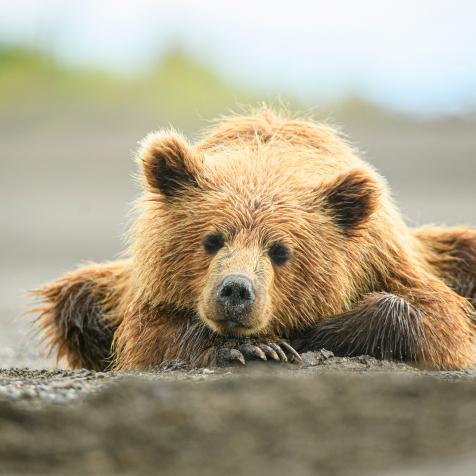
A bear cub was rescued in Turkey after passing out from eating too much hallucinogenic honey.

Love is in the Air (and the Water) at Georgia Aquarium

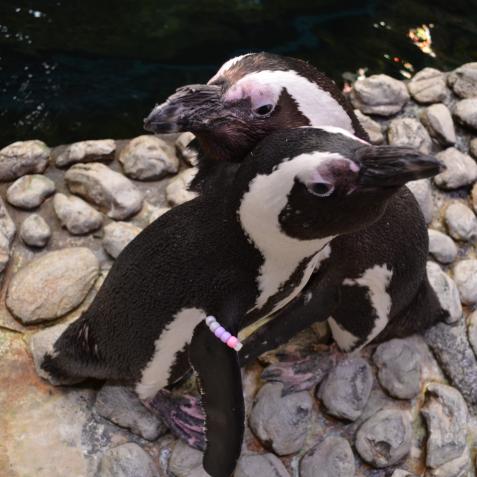
Penguins are among the few animals that mate for life; we call this pair bonding. It must have been “bond at first sight” for Charlie and Lizzy, two African penguins at Georgia Aquarium who have been pair-bonded for about 28 years.

Great Migrations

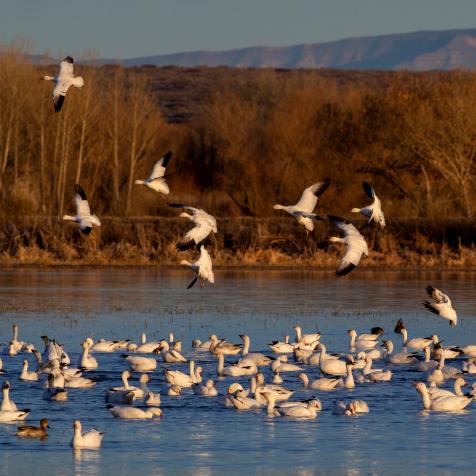
Brrrrr it’s getting cold out, the days are shorter and soon it’ll be winter! Fall means that more than 4 billion birds will stream overhead on their fall migration to warmer grounds down south, where they will feed and mate.

Caring for Endangered Species at Georgia Aquarium

Georgia Aquarium is proud to care for over ten different endangered species, from small poison dart frogs to the largest fish in the sea, whale sharks. Every day, these animals face natural threats as well as human impacts, and as their numbers decrease it affects our planet’s ecosystems.

The Ancient Monkey Puzzle Tree Outlasted Dinosaurs. Now It's Facing Extinction.

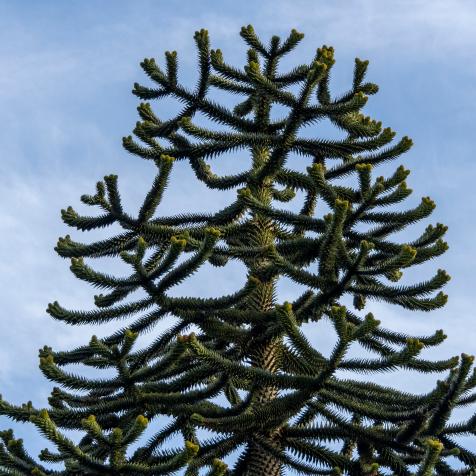
The monkey puzzle tree is a remnant of the Jurassic era, more than 145 million years ago, surviving way past its ancient dinosaur counterparts. Reaching heights of about 160 feet, the evergreen tree has a lifespan of up to 700 years and stiff scaly branches with rigid spiral leaves. Monkey puzzle trees’ presence in the wild is shrinking and after million years, their very existence is now endangered.

Ancient Greenland Shark Found Thousands of Miles from Home, in Belize

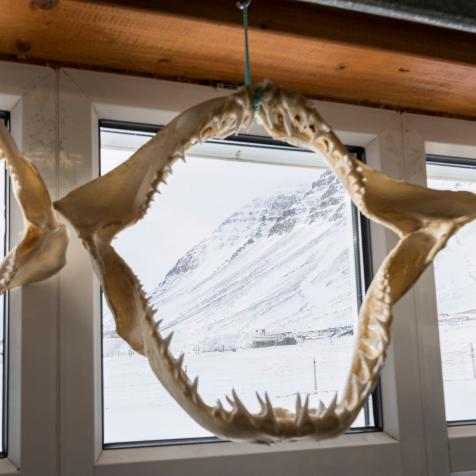
The Greenland shark, one of the longest living animals on Earth, was surprisingly found in coral reefs off the coast of Belize. The Greenland shark most commonly lives in colder waters around Greenland and Iceland and can live to be over 500 years old.

Bald Eagles Made a Comeback But Now They’re Under Threat Again

The resurgence of bald eagles in American skies has been touted as one of the biggest conservation successes in the country – but now scientists say the birds are being poisoned by lead.

Taking a Look Back on 2021

It can be hard to truly appreciate how great a year is without taking time to stop and reflect upon it. As we start 2022, I decided to jump on the “best nine photos” of the year social media trend, and I was blown away by what an incredible year of adventure 2021 was! Definitely, a lot more than nine photos, that’s for sure.

The World’s Deadliest Bird Used to be a Pet

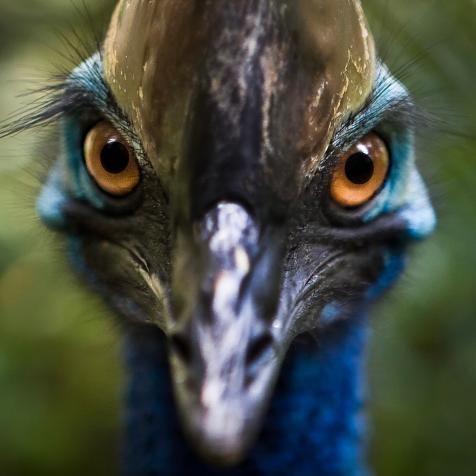
Scientists found cassowary eggshells in New Guinea showing the lethal bird was being domesticated 18,000 years ago.

Meet the Island Fox of Channel Islands National Park

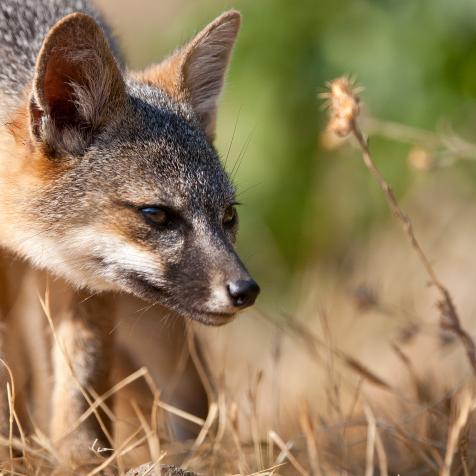
When I first started photographing Channel Islands National Park in Southern California in the mid-1990s, it was a very different place. As more and more people seek unique outdoor experiences, visitors to the islands have increased, but the most notable change I’ve witnessed over the years is the recovery of the park’s endemic island fox.