Vizerskaya
Do You Know What the Most Trafficked Wildlife Species Is?
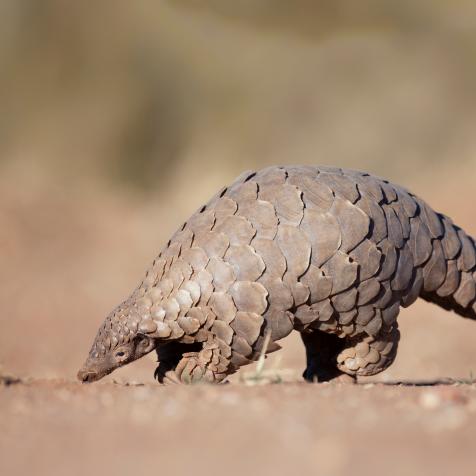
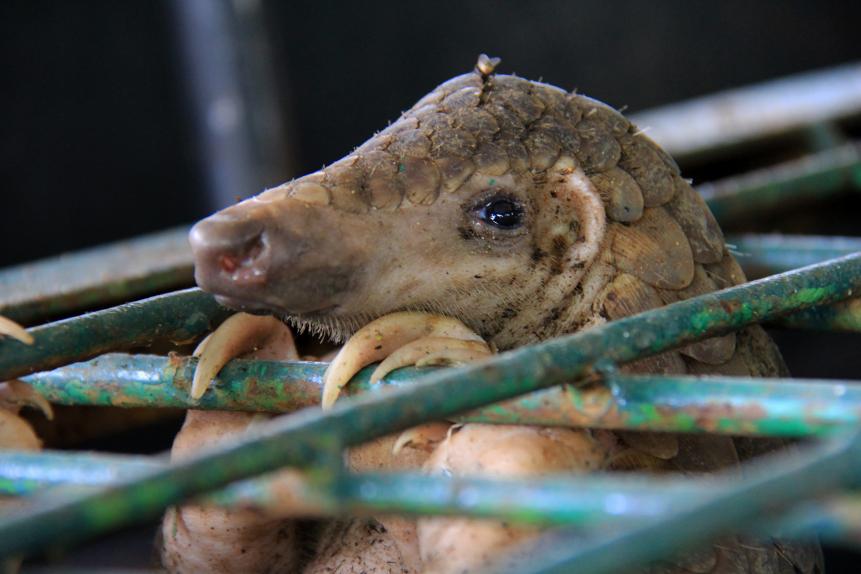
The most trafficked animal in the world isn’t a tiger, rhino, or other big animal species prized for their fur or horns. It’s actually the pangolin, a scaly mammal that lives in a dense forest, eats ants, and rolls into a tiny ball when it’s scared.
These unassuming creatures, which can be found across Asia, are hunted for both their meat and scales. But pangolins are just one species of the billions of animals that are trafficked every year.
In April, wildlife experts, governments, and scientists gathered at the High-Level Conference of the Americas on Illegal Wildlife Trade, in Cartagena, Colombia, to try and put a stop to the epidemic.
Led by Colombia’s Ministry of Environment and Sustainable Development, alongside the UK Government, the attendees included Jane Goodall, the famous primatologist and anthropologist. The summit reviewed the progress that had been made since 2019 when the Lima Declaration was signed by 20 countries that had committed to tackling the illegal wildlife trade, as well as declaring the jaguar a symbolic species of the Americas.
Vicky_Chauhan
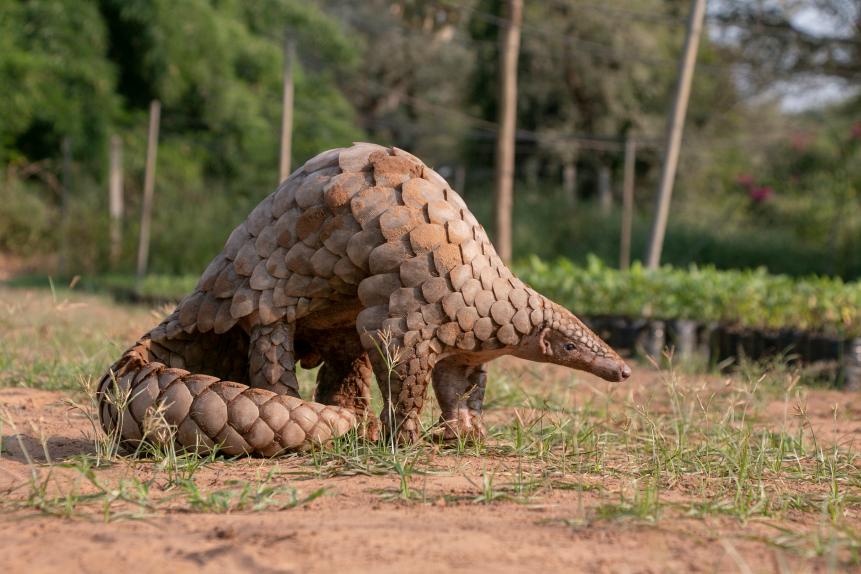
The Indian Pangolin or Anteater (Manis crassicaudata) is one of the most trafficed wildlife species.
The attendees discussed various issues, focusing on the importance of cross-border trafficking laws to address the problem from its origin to its destination – an incredibly difficult task.
One focal point of the conference was the British royal family’s new ‘Buckingham Palace Declaration,’ a pledge drawn up by the nonprofit organization United for Wildlife, which was founded by Prince William. The declaration asks countries to take affirmative steps to tackle the illegal wildlife trade through a combination of policy and wider international cooperation, and cements the steps laid out in the Lima Declaration.
Jami Tarris
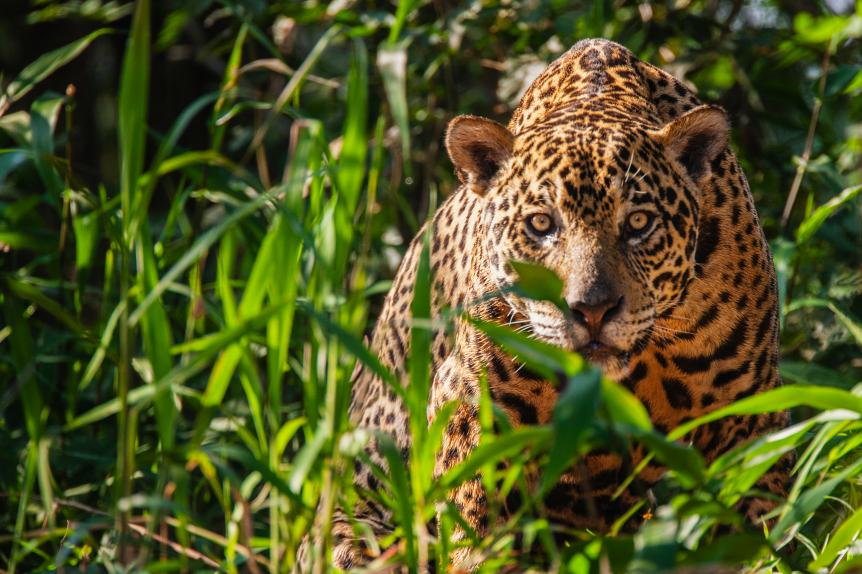
The jaguar was designated as a symbolic species of the Americas.
At the summit, Colombia became the first country in the world to sign the declaration and its 11 commitments, which aim to make it impossible for traffickers to transport, finance, or profit from illegal wildlife. The transportation and financial sectors are key areas for countries to focus on, and in another first, major private sectors, including several airlines, also signed the declaration, in an attempt to boost collaboration and cooperation across the board.
Another key aspect of discussions was the behavioral habits of those who demand illegal wildlife trade products – such as ivory, pangolin scales, tiger skins, and shark fins – as well as committing to take the crime more seriously.
Carlos Correa Escaf, Colombia’s Minister of Environment and Sustainable
Arief Budi Kusuma / EyeEm
A Pangolin rescued from smugglers.
Development, emphasized the country’s commitment to protecting wildlife across the world. “It is only through cooperation, which is what United for Wildlife seeks to achieve through its Declarations, that we can end this terrible threat to our precious biodiversity,” he said.
With billions of dollars being spent on the illegal wildlife trade every year, a major and combined effort is required to bring an end to the crimes that do so much damage to the world’s precious biodiversity.