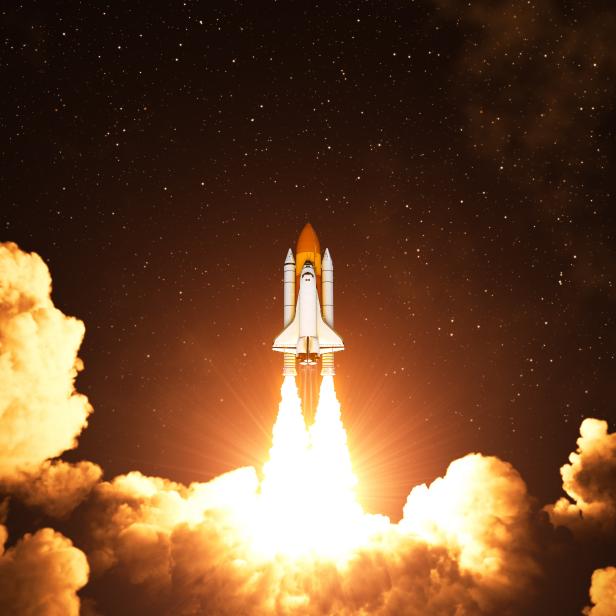
Night Takeoff Of The American Space Shuttle. 3D Illustration.

1164083375

Night Takeoff Of The American Space Shuttle. 3D Illustration.

Photo by: 3DSculptor

3DSculptor

2020: A Year of Big Leaps for Mankind

Here are a variety of some amazing space launches to look forward to in 2020.

February 14, 2020

If we’re going to send things into space, let’s do it right. 2020 is set to start the decade with a variety of awesome launches, including but not limited to:

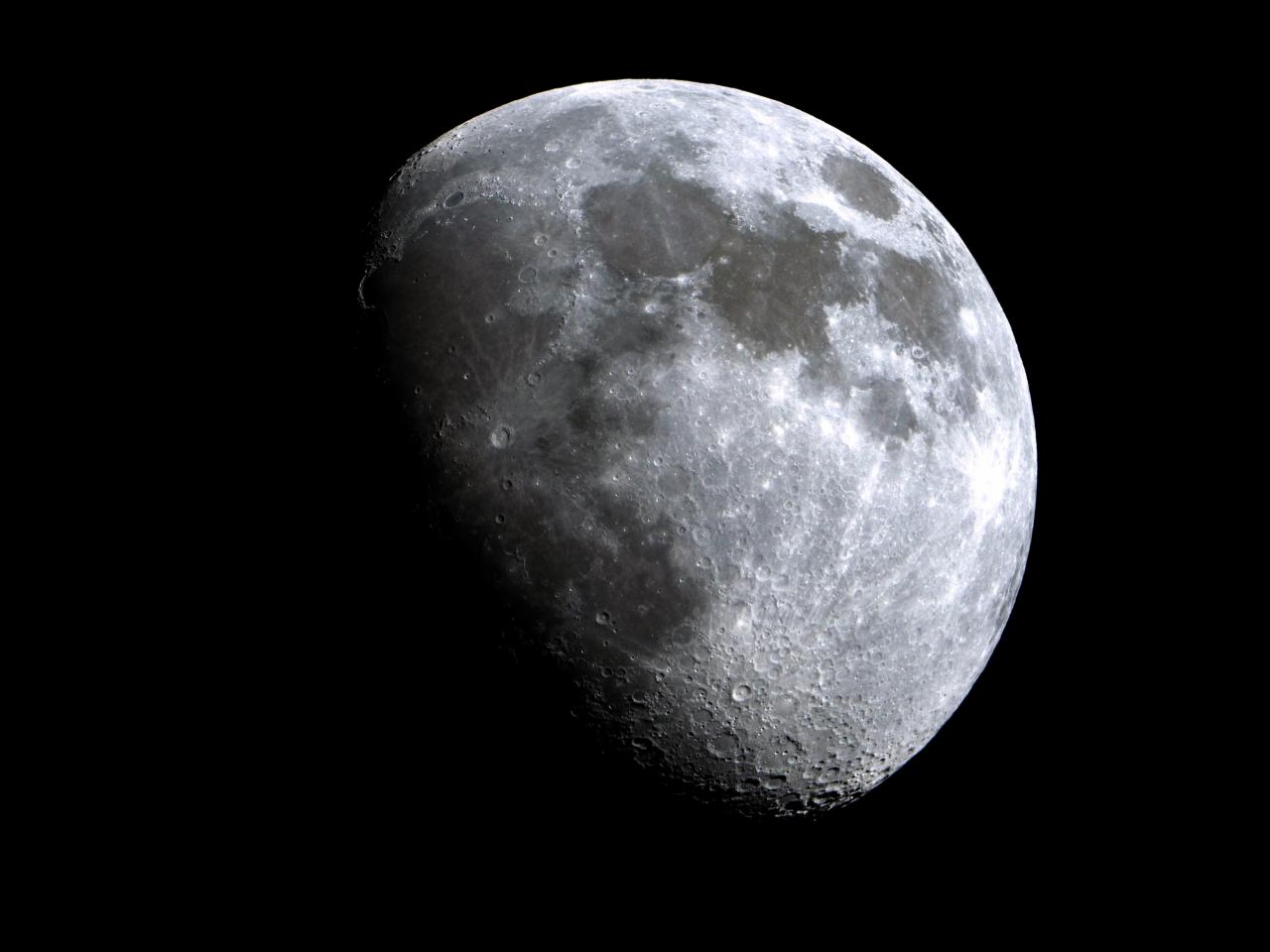
1) When the Moon hits your eye: Recently NASA made bold, audacious plans to send humans into…charted territory. That’s right, we’re going back to the Moon, and this time we mean it! Project Artemis (if you’re curious about the name, the Greek goddess Artemis was the twin sister of Apollo, the Moon god himself) is NASA’s plan to send humans to the surface of the Moon, return them back to the Earth, and do it a few more times. Over the course of years, we should get enough experience and testing to go for the big red prize in the sky: Mars.

While NASA won’t be sending humans to the Moon quite yet, this year, they will be testing the Space Launch System, which is a very boring and bureaucratic name for what will be the biggest rocket ever made.

Oh, did I mention that the Chinese will be sending their fifth Chang’e lander to the Moon, the one is designed to return a sample back to Earth, the first we’ve done that as a species since the Soviets in 1976? Yeah, they’re not messing around.
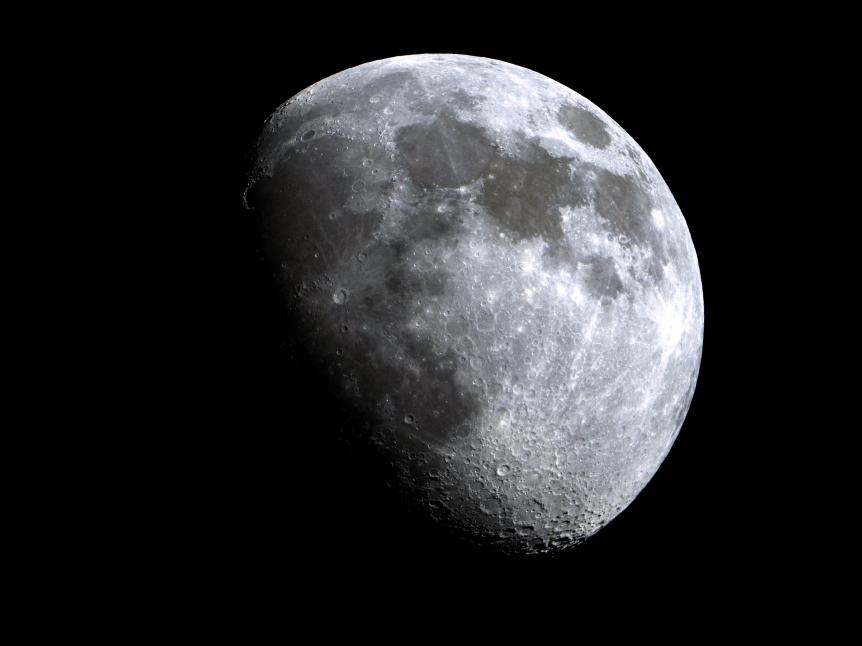
Bild mit den eingebetteten Einstellungen speichern.

692775177

Bild mit den eingebetteten Einstellungen speichern.

Photo by: Alexander Rieber / EyeEm

Alexander Rieber / EyeEm

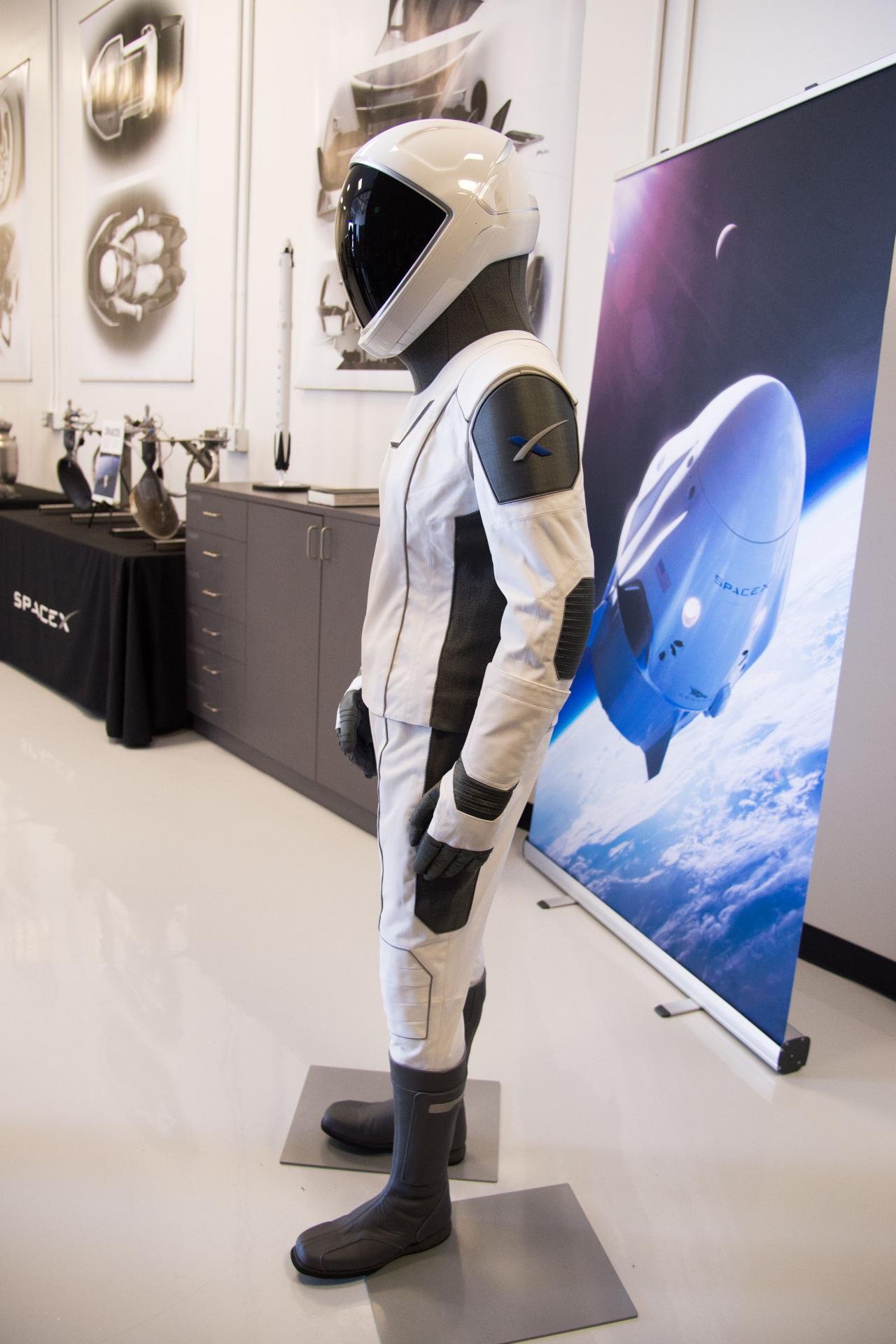
2) How’s the view up there? The United States hasn’t launched their own astronauts from American soil since the retirement of the Space Shuttle in 2011. For the past decade, space-bound folks have had to buy tickets on Soyuz capsules launched from Kazakhstan – at ever-increasing prices. That awkward situation has a solid chance of ending this year, as both SpaceX and Boeing are in the final stages of testing their crew-capable spacecraft, both of which are equipped with appropriately space-age names: the SpaceX has the Dragon while Boeing chose the Starliner.

Who knows if this will actually happen in 2020, as both companies (and NASA) have struggled through several miserable years of delays and funding shortfalls in this program. But it’s bound to happen sooner or later, right?
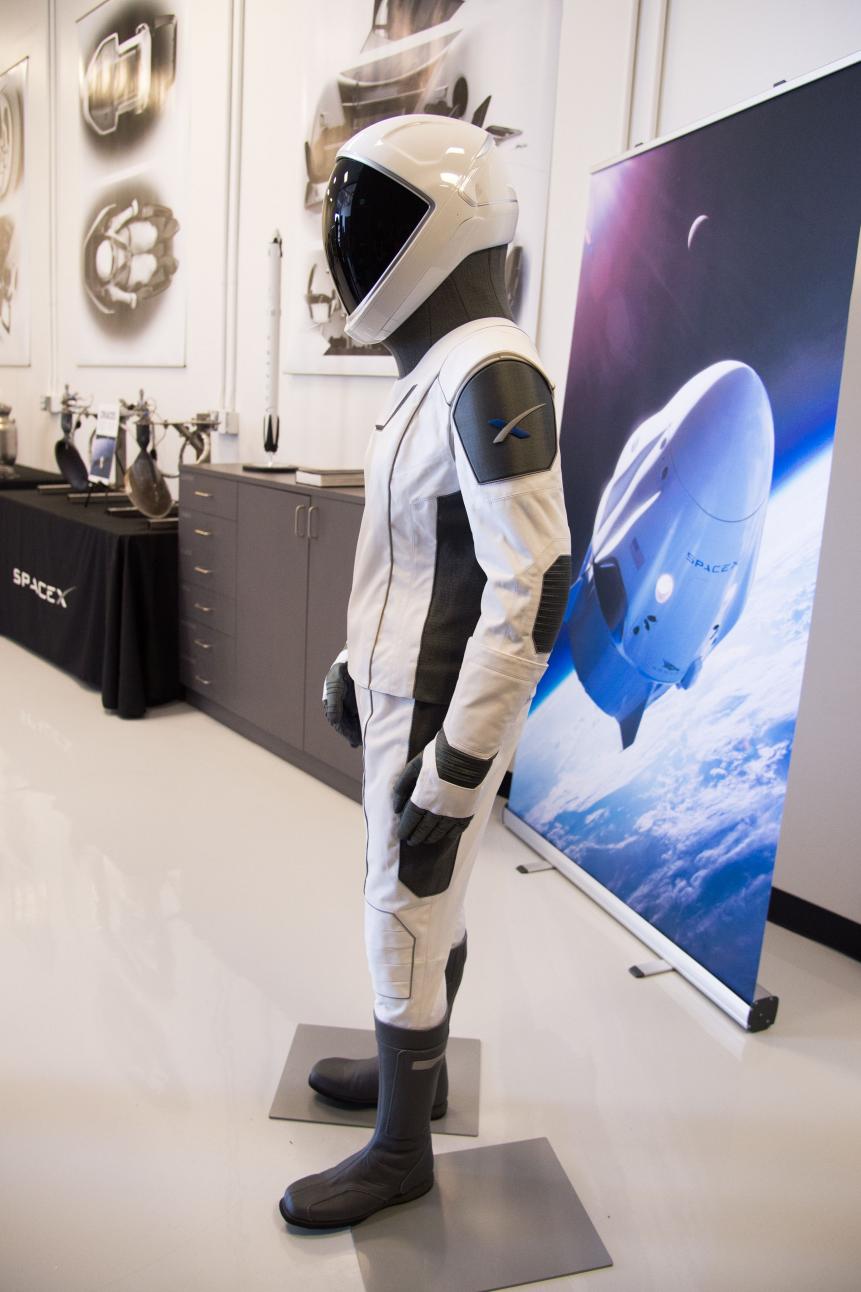
The SpaceX spacesuit to be wore by NASA astronauts that will travel to the International Space Station aboard the SpaceX Crew Dragon capsule is displayed during a media tour at SpaceX headquarters in Hawthorne, California, on August 13, 2018. - According to the Teslarati website the majority of the helmet is 3D printed and SpaceX has used that capability to directly integrate valves, a number of complex mechanisms for visor retraction and locking, microphones, and even air cooling channels into the helmets structure. The suit itself is designed so that necessary external connections (power, water, air, etc) all pass through one single umbilical panel located in the middle of the suitàs right thigh.  The suit is designed to allow astronauts to work in extreme conditions including hard vacuum but not space walks. (Photo by Robyn Beck / AFP)        (Photo credit should read ROBYN BECK/AFP via Getty Images)

1016277250

The SpaceX spacesuit to be wore by NASA astronauts that will travel to the International Space Station aboard the SpaceX Crew Dragon capsule is displayed during a media tour at SpaceX headquarters in Hawthorne, California, on August 13, 2018. - According to the Teslarati website the majority of the helmet is 3D printed and SpaceX has used that capability to directly integrate valves, a number of complex mechanisms for visor retraction and locking, microphones, and even air cooling channels into the helmets structure. The suit itself is designed so that necessary external connections (power, water, air, etc) all pass through one single umbilical panel located in the middle of the suitÕs right thigh. The suit is designed to allow astronauts to work in extreme conditions including hard vacuum but not space walks. (Photo by Robyn Beck / AFP) (Photo credit should read ROBYN BECK/AFP via Getty Images)

Photo by: ROBYN BECK

ROBYN BECK

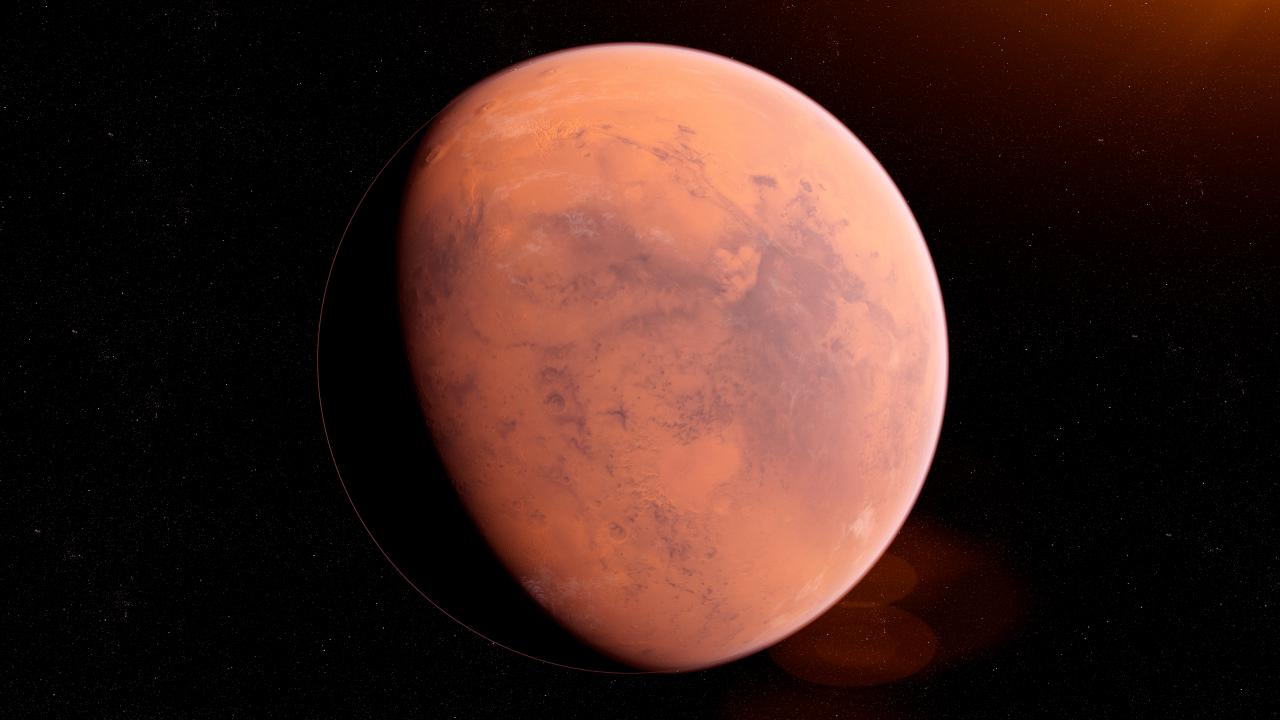
3) Mars or bust: Four different missions are slated for the Red Planet this year, including three new little robots to scour the Martian surface. NASA’s appropriately-named Mars 2020 will hunt for evidence of life in that big red desert, while the Chinese Huoxing-1 and the joint European-Russian Rosalind Franklin will generally crawl and poke around looking for anything interesting. And the fourth probe? A relative newcomer to the space race scene, the United Arab Emirates, will be sending the orbiter Hope Mars Mission.
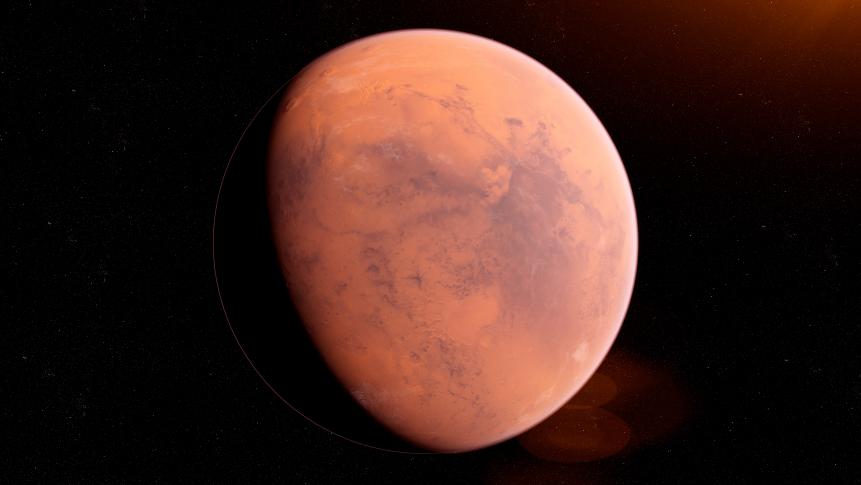
Illustration of Mars.

1124672049

Illustration of Mars.

Photo by: SCIEPRO/SCIENCE PHOTO LIBRARY

SCIEPRO/SCIENCE PHOTO LIBRARY

4) Can you hear me now: Do you like the internet? Do you really like cheap, reliable high-speed internet? Do you like getting that access wherever you go, whenever you go, day or night? Well Elon Musk and his crew at SpaceX (the same folks launching Dragons into space) have something special up their rockety sleeves, just for you. Launches throughout the year will send dozens of satellites into Earth orbit as a part of the Starlink program, designed to provide broadband internet access to the whole entire planet.
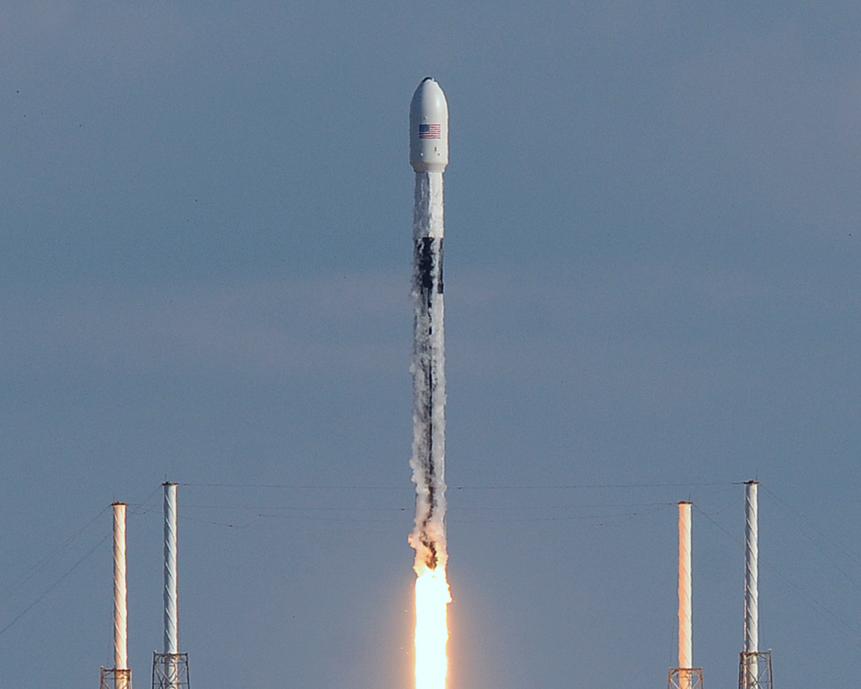
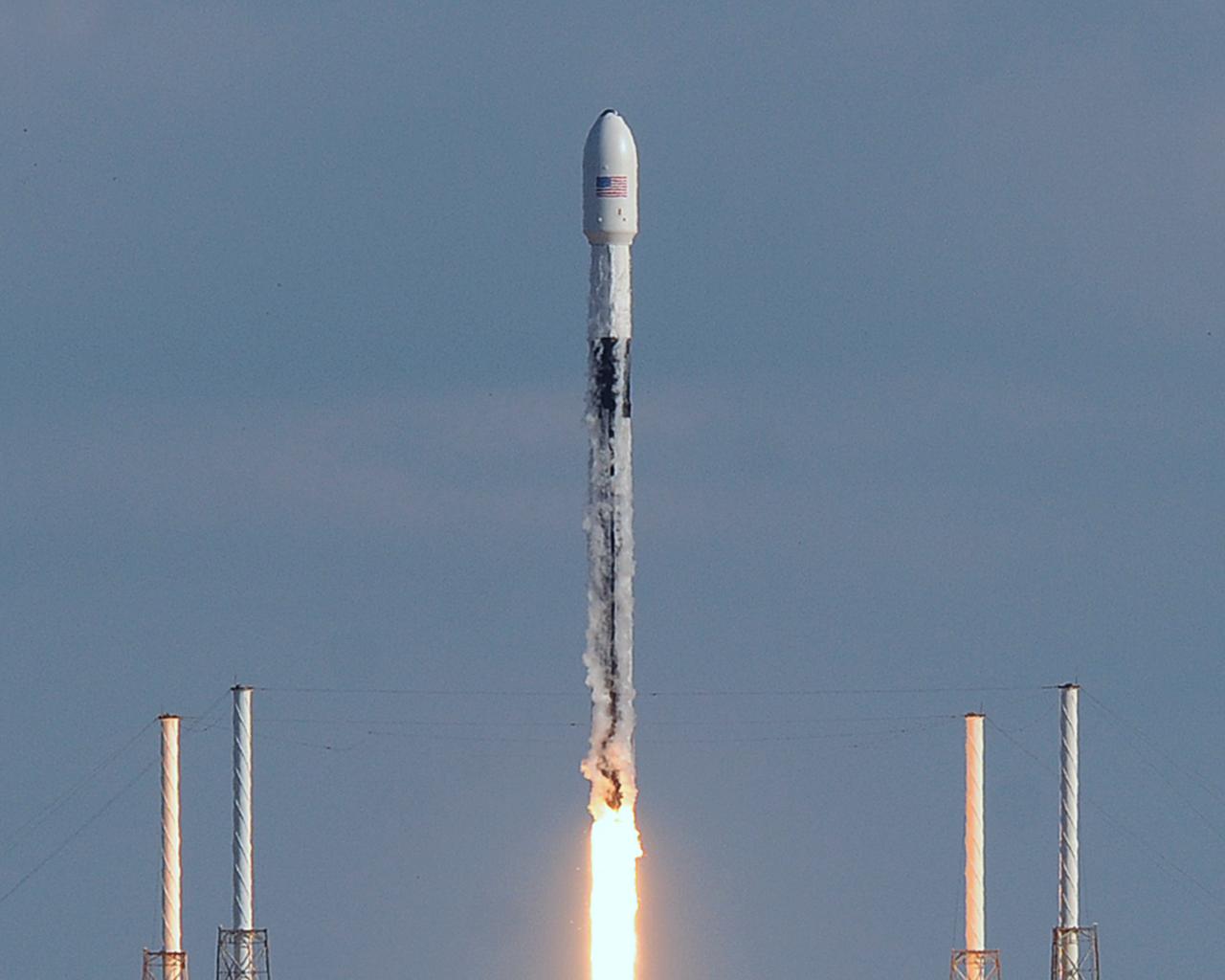
CAPE CANAVERAL, UNITED STATES - JANUARY 29, 2020:
A SpaceX Falcon 9 rocket carrying 60 Starlink satellites launched from pad 40 at Cape Canaveral Air Force Station. This is the fourth Starlink mission by SpaceX designed to provide broadband internet access to users around the globe.- PHOTOGRAPH BY Paul Hennessy / Echoes Wire/ Barcroft Media (Photo credit should read Paul Hennessy / Echoes WIre/Barcroft Media via Getty Images)

1197565468

CAPE CANAVERAL, UNITED STATES - JANUARY 29, 2020: A SpaceX Falcon 9 rocket carrying 60 Starlink satellites launched from pad 40 at Cape Canaveral Air Force Station. This is the fourth Starlink mission by SpaceX designed to provide broadband internet access to users around the globe.- PHOTOGRAPH BY Paul Hennessy / Echoes Wire/ Barcroft Media (Photo credit should read Paul Hennessy / Echoes WIre/Barcroft Media via Getty Images)

Photo by: Barcroft Media

Barcroft Media

But SpaceX isn’t alone; competitor OneWeb will also be launching their own fleet of “mega-constellations” into space this year (and if you need any proof that we well and truly live in the space age, look no further than this sentence). By the close of the year, we’ll have nearly 1,500 new communication satellites in our skies, to the annoyance of the astronomer and the delight of everybody else.

This year will certainly prove to be a busy year in spaceflight. Who knows what we’ll get in 2021?

Paul M. Sutter is an astrophysicist at Stony Brook University and the Flatiron Institute, host of Ask a Spaceman and Space Radio, and author of How to Die in Space.

Next Up

What Came Before the Big Bang?

Physicists are still trying to solve this mystery.

The 2020 Nobel Prize for Chemistry Goes to... Genetic Scissors

The 2020 Nobel Prize for Chemistry was awarded this week to two reasearchers “for the development of a method for genome editing."

Canadian Museum Rediscovers a New Ancient Shark Species - The First of its Kind

The Canadian Fossil Discovery Centre has recently “rediscovered” an ancient shark skeleton that has been sitting in the museum’s collection for nearly 50 years. Could this shark be a part of a newly discovered ancient shark species?

Thousands of Bacterial Enzymes Hold the Key to Plastic Pollution Clean-up

Scientists suggest that people ingest at least 50,000 plastic particles a year. Health issues linked to the way plastic chemicals act on the body include cancer and infertility. And investigations show that we are breathing in 100 times more microplastics in our homes than was previously thought. So what can help tackle plastic pollution?

How Do We Know How Old the Sun Is?

Scientists estimate that our Sun is about 4.57 billion years old. They’re surprisingly confident about that number, too, which opens up an immediate question: how do we know that? The short answer is “a lot of science and math”, but I have a feeling you’re not here for the short answer.

113 Million-Year-Old Dinosaur Tracks Uncovered Due to Drought

Severe drought conditions dried up a river at Dinosaur Valley State Park in Texas leading to the pre-eminent discovery.

Gold Miner Discovers Mummified Baby Woolly Mammoth in Canada

A young miner struck something other than gold while digging in the permafrost of Canada’s Klondike. He stumbled across a 35,000-year-old preserved carcass of a woolly mammoth in impeccable condition.

Tune in to the 92nd Astronomical Awards!

With award season in high gear and movie stars flocking to Hollywood, let’s look up to the real stars in our lives and celebrate some of astronomy’s biggest results from last year.

William Shatner is going where no 90-year-old has gone before

The Star Trek star will become the oldest person to go to space when he launches aboard a Blue Origin rocket on Wednesday, October 13. Watch live coverage on Space Launch LIVE: Shatner in Space on Discovery and Science Channel starting at 8:30A ET with liftoff scheduled for 10A ET.

When in Roam, a Woolly Mammoth’s Tusks are the Map

Roaming with Kik--a look into a woolly mammoth’s tusks unravels its 28-year journey in prehistoric Alaska.

Related To: