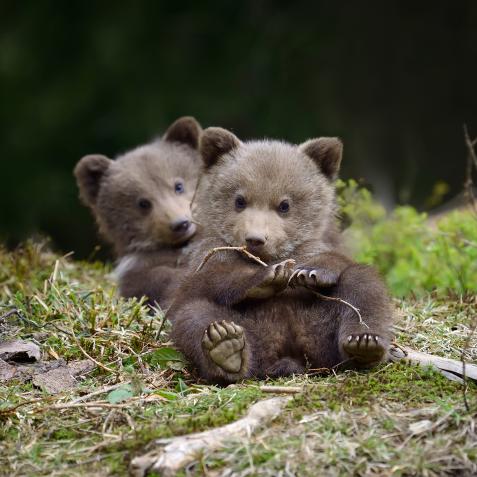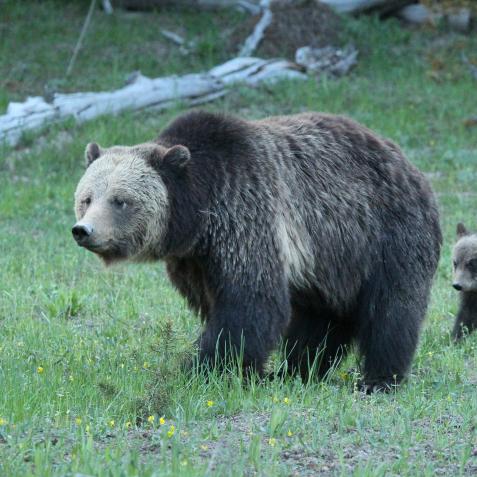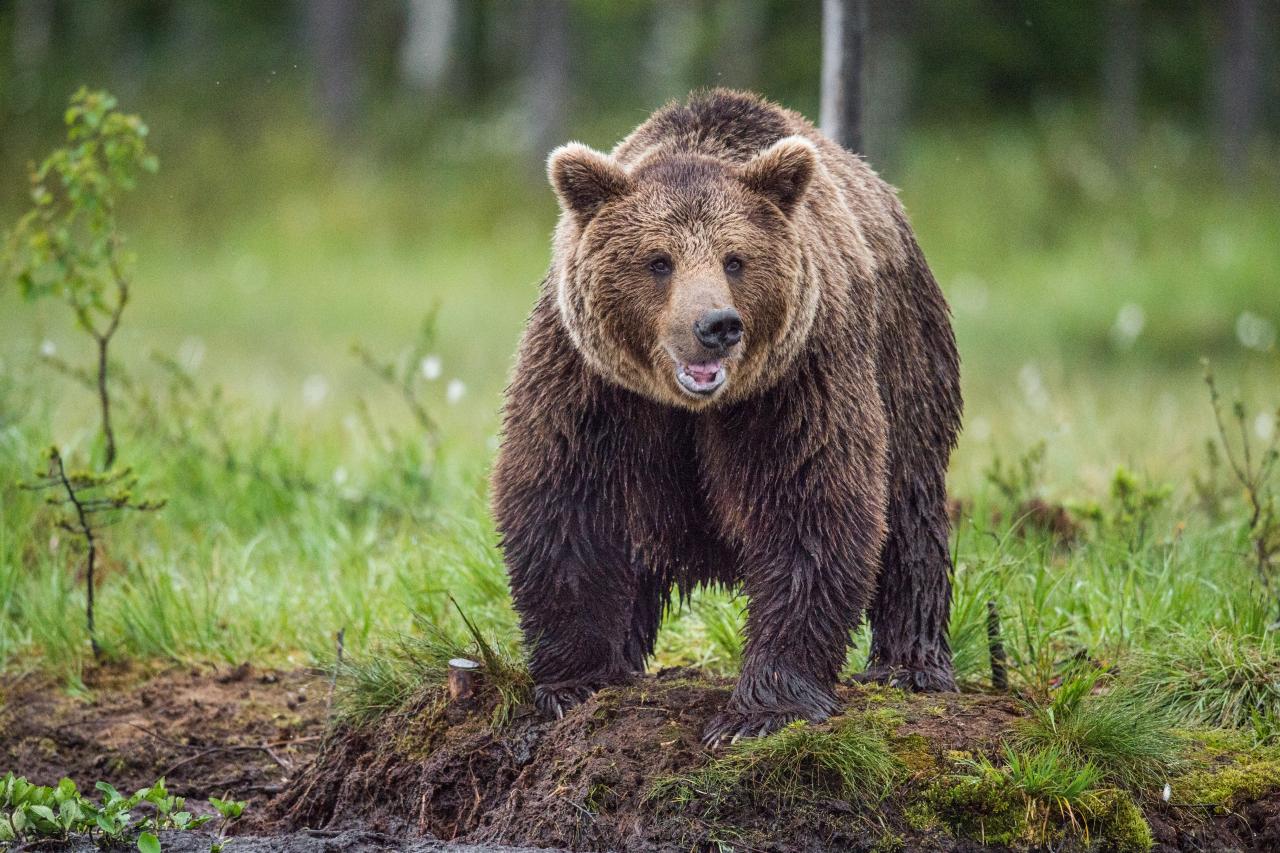
Wild Brown bear (Ursus Arctos Arctos) in the summer forest. Natural green Background

612837824

Wild Brown bear (Ursus Arctos Arctos) in the summer forest. Natural green Background

Photo by: USO

USO

We’re Weighing In On The Heaviest Competition of the Season: Fat Bear Week

By: Discovery

All the bear booties of the world, unite for Fat Bear Week.

September 30, 2021

Yeah, it’s back. And looking beefier than ever. This week kicks off the annual Fat Bear Week competition, a national celebration of the furry friends of Katmai National Park, located at Brooks River in Alaska. Since 2015, the contest has allowed bear-lovers to vote for the chunkiest of them all and predict who they think will pack on the most pounds by the end of the week.

So what’s all of this eating about? Well, it all has to do with a cyclical pattern of hibernation and hyperphagia, which means “extreme hunger.” Each winter, brown bears endure a months-long famine that results in the loss of one-third of their body weight. One-third! Their survival during this period depends on their accumulation of enough fat reserves before entering the den. At Katmai, these bears are among the heaviest in late summer and early fall after spending an entire season appeasing their hunger - and they’re not afraid to show it!

Check out some of these “Before and Afters” from this year’s bracket of competitors.
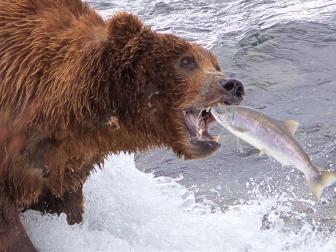
Fat Bear Week has been around since 2015, and some of the top competitors are back in the arena to defend their titles. Fan favorites include Chunk, a large adult male with a knack to challenge his fierce companions, and his most revered competitor, 747, who took the title as 2020’s thickest king.

There are also quite a few newcomers on the sidelines. One bear-y young, nine-month-old cub named 132 will make his debut on Friday, October 1, and is predicted to gain steady body mass over the next few weeks.

Who will take the cake? You can learn more about the event by visiting explore.org/fat-bear-week, and following all of the fun on Instagram with @fatbearweek and @katmaiconservancy.

Next Up

Top Five Rarest Bottom Dwellers

National Insect week occurs between June 20 -26. The week focuses on the importance of insects within ecosystems, nature, and wildlife. Insects do have a bad reputation, as some are a nuisance, and some are scary, but each plays a key role in maintaining order in nature. In celebration of the hard-working insects that you may see in your backyard, here’s a list of the ones you won’t be seeing. The rarest insects on the planet.

Bison are on the Move in Romania

The first bison relocation in Europe of its kind has been hailed a success after seven male individuals were transported from Germany and set free in Bulgaria earlier this summer.

The Mission to Save Grizzly Bear Cubs

When a mother bear is killed, what happens to her cubs? A team of scientists may have found a solution — an orphanage for grizzly bears.

Murder Hornet Season is Right Around the Corner

The Washington State Department of Agriculture and other agencies are preparing for summer and fall--AKA murder hornet season.You can stream ATTACK OF THE MURDER HORNETS on discovery+, which follows a group of beekeepers and scientists who work together to protect their community from deadly and invasive Asian giant hornets.

Why are Dark Skies Important?

There is no better time to consider the quality of the night sky and the celestial magic it embodies than during International Dark Sky Week, taking place April 22-30!

Yellowstone’s Oldest Bear was a Whopping 34 Years Old

The oldest grizzly thought to have roamed the Yellowstone region was identified as being a whopping 34 years old, after biologists spotted a mark on his lip made in 1989.

What Was Hiding in the Smoke During Wildfire Season?

Increasing numbers of wildfires in the western United States are part of a worrying trend. Across the world, huge forest fires damage buildings, the environment and local economies, endangering life, and overwhelming authorities. But research has identified another noxious hazard from the fires – their smoke can spread infectious disease far and wide.

This Alaska Conservation Center Rescues Orphaned Wildlife

Wolves, bears, and porcupines are just some of the animals that can be found at the Alaska Wildlife Conservation Center.

These Goats Help Us During Fire Season

One emergency services department has come up with a novel way of trying to make the fire season a little bit safer...with the help of some four legged creatures.

Through the Eyes of Nature: What Animals Can See That We Can't

When scientists began looking closely at a moth’s eye they discovered a nanostructure on the surface of their eyes, which were named the corneal nipple-array. Those tiny little structures essentially assisted the moth in gathering light from the surrounding world it flies through.

Related To: